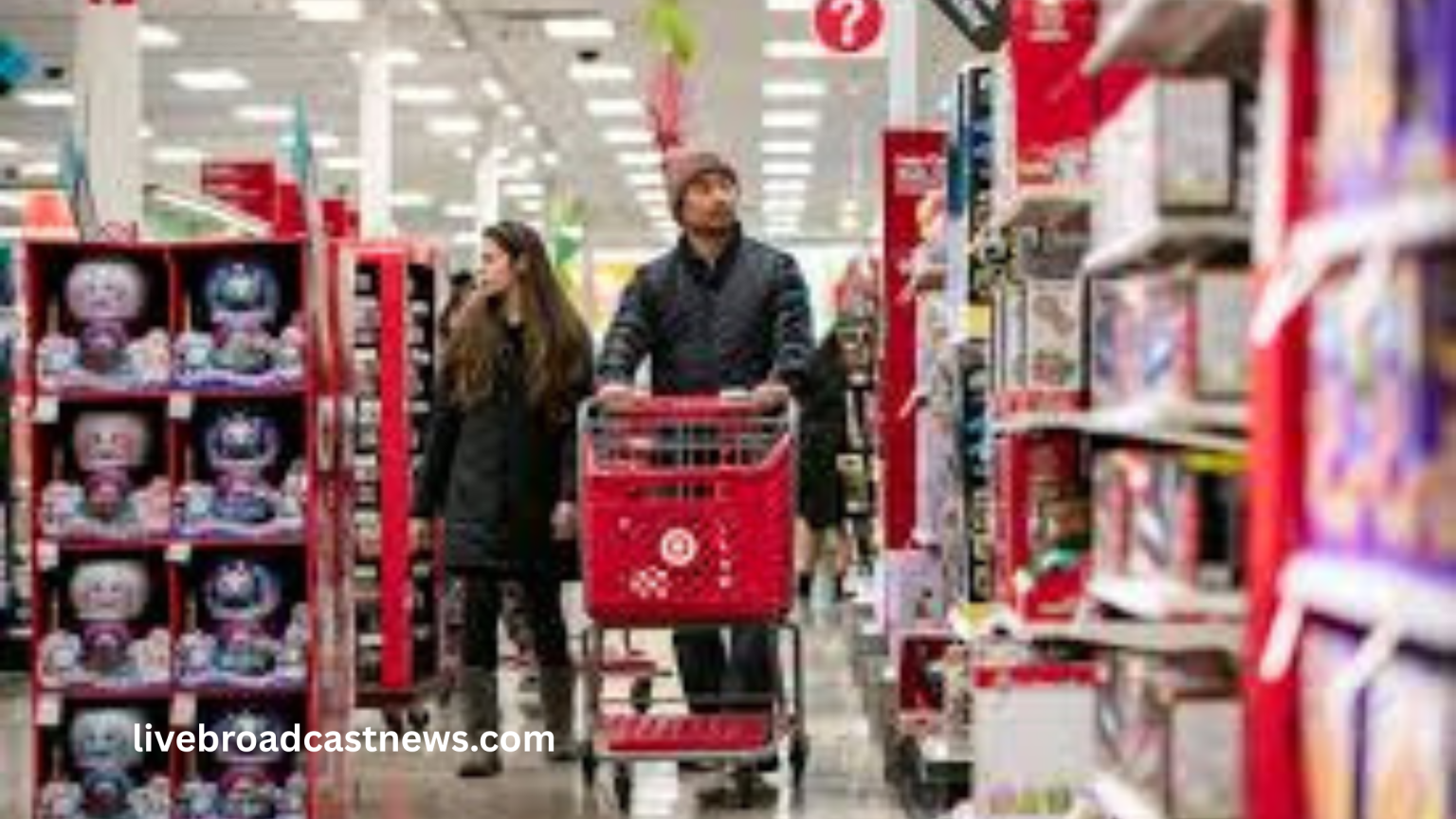

In a sign of growing unease across the U.S. economic landscape, recent indicators point toward a possible slowdown. Both retail sales and industrial output have registered weaker-than-expected performances, casting shadows on the nation’s growth momentum. While these developments may not yet confirm a full-fledged economic downturn, they mark a significant shift in the post-pandemic recovery narrative.
This article offers a comprehensive exploration of the current situation, outlining what the declining figures mean for consumers, businesses, policymakers, and the broader economy.
Understanding the Economic Indicators
Economic health is measured by a wide range of factors, but two of the most watched indicators are retail sales and manufacturing output.
- Retail sales track consumer spending habits and reflect confidence, purchasing power, and the state of household finances.
- Manufacturing output offers a look at business investment, supply chain activity, and production capacity.
When both begin to show weakness, it’s often interpreted as a sign that economic growth is stalling.
Retail Sales: A Troubling Dip
Retail sales are often a reliable gauge of economic strength. Consumers drive a large share of U.S. economic activity, so a drop in retail sales sends a powerful message.
Areas Showing Declines
- Department stores and general merchandise retailers experienced reduced foot traffic and lower transactions.
- Home furnishing and electronics sales declined, suggesting that consumers are deferring big purchases.
- Gasoline stations posted decreased sales, reflecting falling fuel prices but also reduced demand.
- Apparel sales weakened, and online retail showed only modest gains.
This trend is not just seasonal—it’s part of a broader pattern of cautious consumer behavio
Why Are Consumers Pulling Back?
Several converging factors help explain why shoppers are becoming more conservative:
- Persistently high prices: Although inflation is easing, goods and services are still more expensive than in previous years.
- Interest rate hikes: Borrowing costs have surged, making credit card balances, auto loans, and mortgages more expensive to manage.
- Dwindling savings: The financial cushion built up during the pandemic through stimulus checks and reduced spending is thinning.
- Return of debt obligations: Student loan payments have resumed, adding another financial burden for many households.
- Recession fears: Uncertainty about the economy is prompting many to hold onto cash rather than spend.
Manufacturing Output: Production Slows
While consumer spending is weakening, the manufacturing sector is also feeling the strain.
Industrial Slowdown
- Factories are producing fewer goods, especially in automotive, electronics, and construction materials.
- Supply chain normalization has led to reduced urgency in inventory restocking.
- Business investment in new equipment and facilities is slowing.
This combination of cooling demand and cautious investment signals hesitancy among businesses regarding future growth prospects.
Labor Market Tension
Though employment numbers remain relatively strong, there are early signs of softening:
- Hiring is slowing in retail, manufacturing, and construction.
- Wage growth is beginning to plateau after a period of sharp increases.
- Job openings are decreasing in goods-producing industries.
While widespread layoffs have not occurred, the trend suggests employers are taking a more conservative approach to expansion.
Impact on Small Businesses
Small businesses, especially in retail and manufacturing, are feeling the pinch:
- Many are seeing slower sales and are hesitant to invest in inventory or labor.
- Rising costs of goods and borrowing are squeezing profit margins.
- Access to capital is tightening, particularly as banks become more cautious with lending.
These challenges are pushing small enterprises to scale back, automate, or seek cost-saving measures.
Consumer Confidence Is Falling
Surveys show a noticeable dip in how consumers feel about their financial future. This is driven by:
- Inflation fatigue
- Uncertainty about the job market
- Political instability and global conflicts
- Higher interest on credit debt
Low confidence can create a self-fulfilling cycle where consumers spend less, reducing economic growth further.
Supply Chain Recovery Stalls
While many of the pandemic-era supply chain disruptions have been resolved, new issues are emerging:
- Some manufacturers are reducing orders from suppliers.
- Warehouses are reporting increased storage times due to slower inventory turnover.
- Logistics firms are scaling down shipping routes due to lower demand.
This supply-side adjustment reflects declining expectations for future consumption.
Monetary Policy in the Spotlight
The Federal Reserve’s policy decisions are now more complex than ever. With inflation still above target but the economy showing signs of cooling, the central bank faces a dilemma:
- Further rate hikes could stifle growth and increase the risk of recession.
- Easing too soon may risk reigniting inflationary pressures.
The Fed is signaling caution, monitoring monthly data, and may delay future rate changes until the economic path becomes clearer.
Sector-by-Sector Breakdown
Retail
Retailers are adjusting strategies:
- Increasing promotions and discounts
- Offering value bundles
- Streamlining product lines
- Investing in online platforms and digital loyalty programs
Manufacturing
Manufacturers are:
- Cutting overtime and production shifts
- Delaying expansion plans
- Focusing on efficiency improvements
Technology
Technology-driven companies are:
- Optimizing AI for logistics and customer service
- Reducing hiring and shifting toward automation
- Monitoring demand closely to manage inventories
Real Estate
The sector is affected by high mortgage rates, slowing commercial development, and reduced retail leasing.
Political and Global Factors
Economic policy is heavily influenced by political developments. Election cycles, government shutdown risks, and international tensions affect market stability and consumer behavior. Additionally:
- Energy prices are being impacted by geopolitical tensions.
- Trade relations are influencing manufacturing supply chains.
- Global economic uncertainty is affecting U.S. export demand.
What Economists Are Saying
Economists from major institutions offer varying predictions:
- Some believe the U.S. may avoid a recession through a “soft landing” as inflation cools.
- Others argue that weak consumer spending and industrial output point to inevitable contraction.
- Many agree that the coming months will be pivotal in shaping the economic trajectory.
How Investors Are Reacting
Financial markets have responded with caution:
- Stock indices have seen increased volatility.
- Bond yields are fluctuating based on shifting interest rate expectations.
- Investors are rotating into defensive sectors like utilities and healthcare.
Confidence in corporate earnings is weakening, especially for consumer-facing and cyclical businesses.
Housing Market Struggles
High mortgage rates have cooled demand for homes, leading to:
- Fewer home purchases
- Lower construction activity
- Increased rental demand
This slowdown in housing impacts various related industries, from appliances and furniture to raw materials.
Implications for Households
The slowdown affects daily life in tangible ways:
- Reduced job opportunities in retail and manufacturing towns
- Slower wage growth making it harder to keep up with inflation
- Tighter credit availability from banks
- More cautious spending leading to less vibrant local economies
Households are responding by:
- Cutting back on travel and entertainment
- Shopping sales and discount outlets
- Postponing large purchases
- Paying down debt where possible
Policy Outlook and Government Response
In the face of economic weakness, policymakers are considering:
- Stimulus targeted at lower-income groups
- Incentives for small business recovery
- Infrastructure spending to create jobs
- Tax adjustments to support households
The political appetite for broad intervention remains uncertain, but signs of economic distress may prompt action.
Opportunities in the Downturn
Despite challenges, some areas are seeing growth:
- Health and wellness products
- Discount and thrift retail
- Home-based and remote work technologies
- Financial education and budgeting tools
Businesses that adapt to changing consumer behavior and cost sensitivity can still find success in a slowing economy.
Global Comparisons
Other advanced economies are also experiencing similar conditions:
- Retail sales and industrial output are slowing across Europe and parts of Asia.
- Central banks are grappling with the balance between inflation control and economic growth.
- Global trade is moderating, reducing demand for U.S. exports.
This shared pattern suggests a broader, synchronized slowdown rather than an isolated American phenomenon.
Looking Ahead
As the second half of the year approaches, several questions loom:
- Will the Federal Reserve adjust policy in response to soft data?
- How resilient will the labor market remain amid slowing demand?
- Can consumers power through inflation fatigue?
- Will businesses invest in anticipation of recovery or hunker down further?
These answers will determine whether the economy is heading for a mild slowdown or a more significant contraction.
Frequently Asked Question
What does a decline in retail sales indicate?
A drop in retail sales suggests consumers are spending less, which can point to reduced confidence, tighter budgets, or economic uncertainty.
How does manufacturing output affect the economy?
Lower manufacturing output often reflects weak demand, decreased business investment, and cautious expectations for future growth.
Why are consumers spending less?
People are spending less due to high prices, rising interest rates, resumed debt payments, and fears about future job security.
Are these signs of a recession?
While these trends are concerning, a single decline doesn’t confirm a recession. However, they do signal economic slowing that could lead to one.
How are businesses reacting to the slowdown?
Companies are adjusting by reducing inventory, delaying investments, offering discounts, and closely monitoring expenses and hiring.
What impact does this have on the job market?
Hiring is beginning to slow, especially in sectors like retail and manufacturing. Wage growth is also starting to level off.
Is inflation still a concern?
Yes, inflation remains above normal levels in many areas, though it has begun to ease compared to its peak.
How will the Federal Reserve respond?
The Fed may pause interest rate hikes or adjust policy depending on how sustained the economic slowdown becomes and how inflation behaves.
What sectors are still doing well?
Discount retailers, online services, healthcare, and experience-based industries like travel are seeing steadier demand.
What can households do to manage in this climate?
Consumers can benefit from budgeting, seeking out deals, reducing unnecessary expenses, and building emergency savings if possible.
Conclusion
The recent weakness in U.S. retail sales and manufacturing output provides a sobering snapshot of an economy under strain. While not yet in crisis territory, these indicators serve as early warnings that momentum may be faltering.