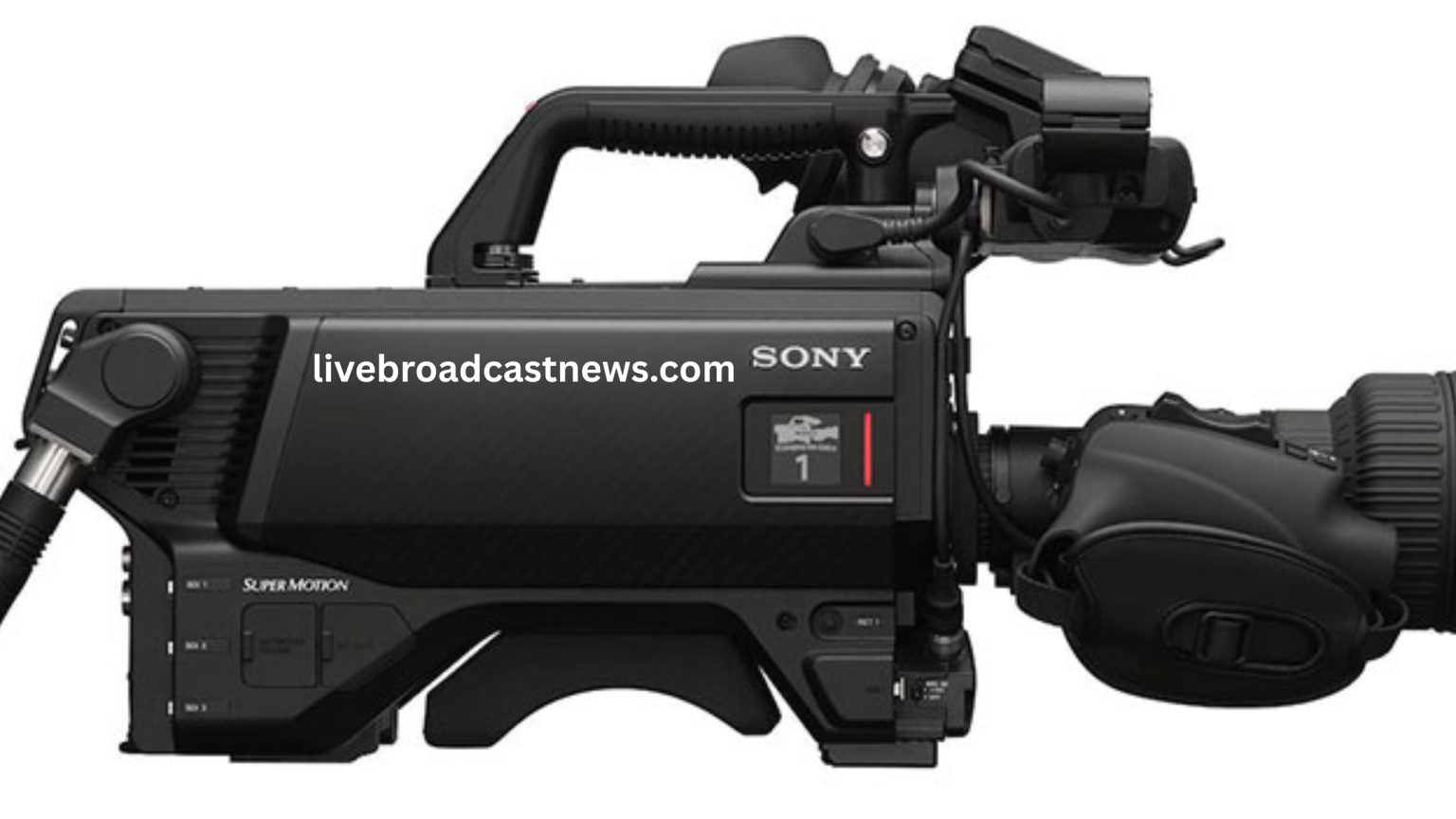

In an awe-inspiring fusion of faith and technology, Sony’s advanced broadcast camera—the HDC-5500—played a pivotal role in capturing one of the most significant spiritual events of our time: the announcement of Pope Leo XIV at the Vatican. This momentous occasion was not only a landmark in the Roman Catholic Church’s history but also a showcase of how modern technology is shaping the future of live global broadcasting.
The HDC-5500, Sony’s flagship live system camera, delivered stunning ultra-high-definition visuals to millions of viewers around the world. This article explores how this broadcast marvel chronicled the selection of Pope Leo XIV, the technical aspects that made it possible, the global reaction to the event, and the future implications for religious and public broadcasts.
The Historic Announcement
The appointment of a new pope is a rare and highly anticipated event that captivates billions across the globe. On a bright spring morning in Vatican City, thousands of pilgrims filled St. Peter’s Square. The world’s attention was focused on the Sistine Chapel and the famed balcony of St. Peter’s Basilica.
At noon, white smoke emerged from the chimney above the Sistine Chapel—signaling that the College of Cardinals had elected a new pontiff. Moments later, the Cardinal Protodeacon stepped forward to deliver the traditional Habemus Papam announcement: “We have a pope.” The newly elected Pope Leo XIV soon appeared, dressed in white papal vestments, offering his first apostolic blessing to a reverent crowd and viewers worldwide.
Sony’s Role: Capturing History in 4K HDR
Sony’s HDC-5500 was instrumental in ensuring the moment was not only documented but delivered in cinematic detail. The Vatican had partnered with a leading European broadcast network and production team, who chose Sony’s 4K camera systems for the event, with the HDC-5500 being the centerpiece.
Why the HDC-5500?
Sony’s HDC-5500 is renowned for its full-frame 4K CMOS sensor, global shutter, and wide dynamic range. These features enabled it to capture the grandeur and emotional nuance of the announcement, even in challenging lighting conditions. As the pope appeared on the balcony, the camera’s high dynamic range (HDR) capabilities preserved detail in both the brightly lit architecture and the shadows cast by surrounding structures.
Broadcast Quality That Bridges Faith and Innovation
The visual storytelling was unprecedented. Viewers saw the sunlight catching the golden Vatican details, the texture of the pope’s robes, and even tears glistening in the eyes of pilgrims—all in real-time and 4K clarity. The combination of resolution, color accuracy, and motion handling transformed the experience for audiences watching on televisions, smartphones, and large screens around the world.
Behind the Lens: Technical Setup and Workflow
Camera Placement and Multi-Cam Coordination
Multiple HDC-5500 units were stationed at strategic points: the rooftop of St. Peter’s Basilica, within the Vatican press gallery, and high above the square. These positions ensured full coverage from sweeping overhead views to intimate close-ups of the new pope and the worshippers gathered below. Each camera was remotely operated and synchronized to a central control room.
Seamless Transmission and Live Editing
The Vatican’s broadcast team employed a hybrid IP and SDI infrastructure. Using Sony’s IP Live Production System, live feeds were instantly sent to mobile production trucks outside the Vatican walls, where the footage was edited, color graded, and broadcast globally via satellite and fiber networks.
This hybrid setup ensured zero delay and maximum quality. Real-time HDR grading and camera shading allowed for a consistent look across various platforms, maintaining the solemnity and majesty of the event without interruption or distortion.
The Human Experience: Viewers’ Reactions Around the World
From Rome to Rio, Manila to Montreal, viewers tuned in across continents to witness the unfolding of history. For many, it was a deeply emotional moment. The clarity and intimacy provided by Sony’s technology brought them closer to the Vatican than ever before.
Social media platforms were flooded with posts celebrating the announcement. Many praised the broadcast quality, noting how even small expressions on Pope Leo XIV’s face were visible, enhancing their connection to the event.
Churches and community centers around the world organized watch parties. In regions with large Catholic populations, big screens were installed in public spaces, transforming entire squares into spiritual gathering places. The sense of global unity was palpable.
Vatican’s Vision for Modern Communication
The Vatican has been increasingly open to incorporating modern technology into its global outreach efforts. Over the past decade, it has partnered with various media technology companies to digitize archives, livestream Masses, and connect with younger generations via social media.
With the announcement of Pope Leo XIV, the Vatican reaffirmed its commitment to quality communication. Choosing Sony’s HDC-5500 reflected its dedication to broadcasting sacred moments with the reverence and technical excellence they deserve.
This collaboration was not simply about spectacle—it was a way to honor the significance of the event and to connect believers worldwide in a unified, immersive experience.
Sony’s Commitment to Sacred Moments
Sony has long been a trusted partner for high-stakes, high-profile events—from the Olympics to royal weddings. Their technology ensures that every frame tells a story, every pixel serves a purpose. In religious settings, where emotion, tradition, and pageantry intertwine, the demands are even higher.
The HDC-5500 delivered on all fronts. Its silent operation meant no interference during quiet prayers. Its low-light capability allowed for nighttime vigils to be captured in detail. Its adaptability meant it could transition between wide crowd shots and intimate papal portraits within seconds.
For Sony, this was not just another broadcast job—it was an opportunity to serve a global faith community and demonstrate the power of technology as a bridge between tradition and innovation
Interviews with Broadcast and Technical Experts
In the days following the announcement, leading producers and camera operators who worked on the Vatican broadcast shared insights into the process.
One senior technician noted:
“The HDC-5500 gave us unmatched flexibility. We were able to switch seamlessly between frame rates and image profiles depending on lighting and emotional tone. The system handled everything with grace.”
Another operator described capturing the pope’s first moments on the balcony:
“It was powerful. When the doors opened and he stepped out, you could feel the collective breath of the crowd. We were ready, and the camera performed perfectly. It felt like we were framing history in real time.”
These reflections emphasized the blend of art and science that made the broadcast so impactful.
Impact on Future Religious and Public Events
The Vatican’s success in using the HDC-5500 has set a new benchmark for religious broadcasting. Faith-based events, pilgrimages, and global celebrations may increasingly adopt cinematic broadcast techniques to create deeper engagement.
Religious networks are exploring upgrades to their existing systems. Temples, churches, and mosques with large congregations and global reach are seeking similar quality to connect with worshippers across borders.
Even beyond religion, the Vatican broadcast has inspired governments, non-profits, and media companies to reimagine how public ceremonies can be captured and shared. The HDC-5500 is no longer seen as just a tool for sports or concerts—it’s a medium for meaning.
Reflections from the Catholic Community
In conversations with clergy, theologians, and laypersons, a recurring sentiment emerged: the technology did not overshadow the message. Instead, it elevated it.
Father Matteo, a priest from Florence, observed:
“The visuals helped convey the spirit of the moment. You could see joy, humility, and unity in every frame. It didn’t feel like a television show—it felt like we were there.”
A group of young Catholics in São Paulo held a livestream watch party. For many, it was their first time seeing a papal announcement in such detail.
“It felt fresh and authentic. We could see ourselves in the crowd,” one participant shared.
Frequently Asked Questions
What is the Sony HDC-5500 camera?
The Sony HDC-5500 is a high-end 4K broadcast camera system designed for live productions. It features a global shutter CMOS sensor, HDR support, and advanced color accuracy, making it ideal for capturing live events with cinematic quality.
Why was the HDC-5500 chosen for the Vatican event?
The HDC-5500 was chosen due to its ability to deliver crystal-clear 4K images in real-time, perform well in varied lighting conditions, and operate silently—essential for capturing solemn religious ceremonies without disruption.
What made the announcement of Pope Leo XIV historically significant?
It marked the introduction of a new leader for the Roman Catholic Church, a rare and globally watched event. The ceremony symbolized both spiritual continuity and a new chapter for the Church.
How did technology enhance the viewing experience for global audiences?
Advanced broadcast technology allowed for ultra-high-definition visuals, vivid color reproduction, and real-time coverage, making viewers feel as though they were present in St. Peter’s Square.
Were viewers able to watch the event in real time?
Yes, thanks to the Vatican’s use of modern IP and satellite broadcasting networks, the event was streamed and televised live to audiences around the world.
What role did Sony play in the production beyond providing cameras?
Sony supported the event with a complete production ecosystem, including camera systems, IP transmission technology, and technical consulting to ensure smooth integration and broadcast delivery.
Did the use of 4K cameras change the way religious events are documented?
Absolutely. The use of 4K cameras like the HDC-5500 sets a new standard for clarity and depth in religious broadcasting, enhancing both the reverence and accessibility of such events.
Will other religious organizations adopt similar technologies?
Many already are. The success of the Vatican broadcast has inspired churches, mosques, and temples globally to explore modern AV and streaming technologies to engage wider audiences.
Was the footage available after the live broadcast?
Yes, recordings of the announcement were archived and distributed for on-demand viewing via television networks, YouTube channels, and Vatican digital platforms.
How did the public react to the broadcast quality?
Viewers praised the unprecedented clarity and emotional closeness of the broadcast. Many felt more spiritually connected thanks to the high-definition visuals and immersive experience.
Conclusion
The announcement of Pope Leo XIV marked a turning point in both spiritual history and modern broadcasting. With Sony’s HDC-5500 at the heart of the production, the world witnessed a sacred tradition brought vividly to life through the lens of cutting-edge technology.