The internet is often described as having multiple layers, with the surface web representing only a small portion of the online world. Beneath it lies the deep web, which contains content not indexed by ultclub search engines, and the dark web, a section of the internet accessible through specialized software that emphasizes user anonymity. While the dark web has legitimate uses for privacy-conscious individuals, it has also become known for hosting underground marketplaces linked to cybercrime. One name that has appeared in cybersecurity discussions is Ultclub, a marketplace often associated with illicit online activities.
Understanding Ultclub is not about promoting or accessing illegal services. Instead, it offers an opportunity to examine how dark web marketplace ecosystems operate, why they continue to emerge, and what they reveal about the growing challenges of cybersecurity. By studying these ecosystems, businesses, governments, and individuals can better understand modern cyber threats and strengthen their digital defenses.
What Is Ultclub?
Ultclub has been referenced in cybersecurity reports as a dark web marketplace allegedly connected to the trade of stolen financial information and other forms of illicit digital data. Like many underground platforms, it reportedly relied on anonymous technologies that concealed the identities of users while facilitating interactions between buyers and sellers.
Unlike legitimate online marketplaces, dark web platforms operate within hidden networks that require specialized software to access. Transactions are generally conducted using cryptocurrencies, and communication often takes place through encrypted messaging systems.
Although the specific features of underground marketplaces vary, their overall objective is typically to create an anonymous environment where participants can exchange goods or services while reducing the likelihood of identification.
Understanding the Dark Web Marketplace Ecosystem
Ultclub is best understood as one component of a much larger underground ecosystem. These marketplaces do not exist in isolation. Instead, they form part of interconnected networks involving cybercriminals, data brokers, malware developers, and money laundering operations.
A typical ecosystem may involve several stages:
- Cybercriminals obtain unauthorized access to computer systems.
- Sensitive information is extracted during a data breach.
- The stolen information is organized and categorized.
- Underground marketplaces list the information for sale.
- Buyers acquire the data for various forms of cybercrime, including fraud and identity theft.
This interconnected process demonstrates why cybersecurity experts focus on the entire ecosystem rather than a single marketplace.
Technologies That Support Underground Marketplaces
Several technologies enable anonymous marketplaces to operate.
Anonymous Networks
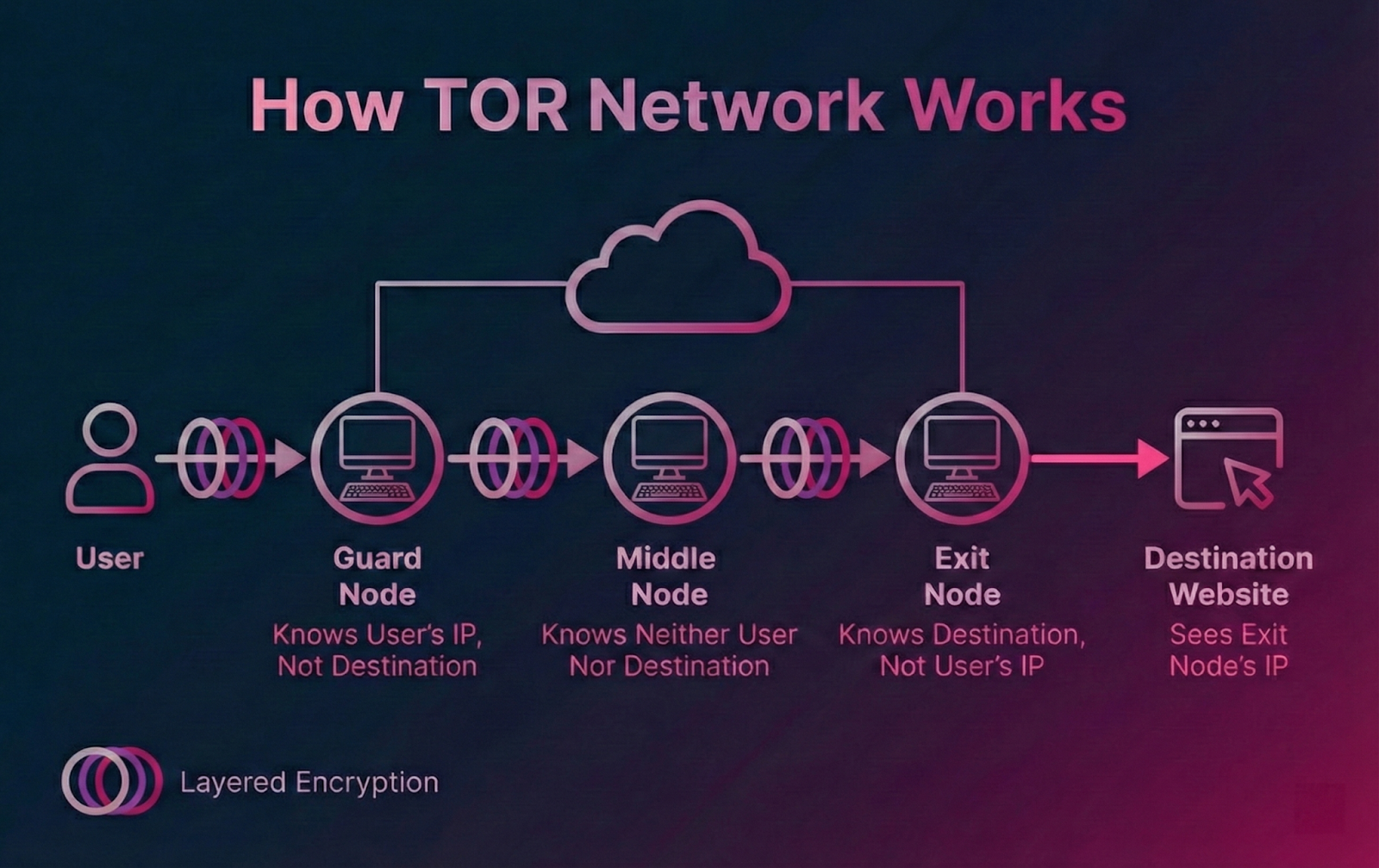
Dark web services commonly use anonymous routing technologies that hide both user identities and server locations. These systems are designed to provide privacy, although they may also be exploited for criminal purposes.
It is important to recognize that anonymity technologies themselves have legitimate applications, including protecting journalists, researchers, activists, and individuals living under restrictive governments.
Cryptocurrency Payments
Digital currencies are frequently used because they allow fast international transactions without traditional banking intermediaries.
Although cryptocurrencies provide varying degrees of privacy, modern blockchain analysis tools have significantly ultclub.tm improved investigators’ ability to trace suspicious financial activity.
Encryption
End-to-end encryption protects communications between users. While encryption is essential for legitimate online privacy and cybersecurity, criminal organizations may also use encrypted communication to conceal illegal activities.
Why Ultclub Attracted Attention
Several factors contributed to Ultclub’s visibility within cybersecurity communities.
Alleged Focus on Financial Information
Cybersecurity reports frequently associated Ultclub with stolen financial information. Financial institutions pay close attention to these activities because compromised payment data can lead to fraud affecting both consumers and businesses.
Reputation Systems
Many underground marketplaces reportedly use reputation mechanisms similar to legitimate e-commerce platforms. Anonymous users may rate transactions or vendors, helping create trust within otherwise anonymous environments.
Researchers study these systems because they reveal how underground economies function.
International Scope
Dark web marketplaces often involve participants from multiple countries. Servers, vendors, customers, and payment channels may all exist in different jurisdictions, making investigations particularly complex.
The Cybercrime Supply Chain
One of the most important lessons from platforms like Ultclub is that cybercrime operates as an organized supply chain.
Rather than individual hackers working independently, many cybercrime operations involve specialized participants.
Examples include:
- Initial access brokers who obtain unauthorized system access.
- Malware developers who create malicious software.
- Data brokers who organize stolen information.
- Fraud specialists who exploit compromised accounts.
- Money laundering networks that conceal criminal proceeds.
Each participant contributes to the overall cybercrime economy.
Risks Created by Underground Marketplaces
The existence of marketplaces like Ultclub creates several significant cybersecurity risks.
Financial Fraud
Compromised financial information can result in unauthorized transactions, payment fraud, and economic losses for businesses and consumers.
Identity Theft
Personal information obtained through data breaches may be used to impersonate victims, create fraudulent accounts, or conduct various forms of identity-related crime.
Corporate Data Exposure
Organizations face risks when confidential business information, intellectual property, or customer records become compromised.
Increased Cybercrime
The availability of underground marketplaces creates incentives for attackers by providing opportunities to monetize stolen information.
How Cybersecurity Researchers Respond
Security researchers monitor underground activity to better understand evolving threats.
Their work includes:
- Monitoring cybercrime trends
- Analyzing malware
- Investigating phishing campaigns
- Collecting threat intelligence
- Supporting incident response
- Publishing defensive guidance
Importantly, cybersecurity professionals conduct this work through lawful and ethical methods designed to improve digital security rather than facilitate illegal activity.
Law Enforcement Efforts
Governments worldwide have expanded efforts to combat organized cybercrime.
International investigations increasingly involve cooperation among law enforcement agencies, cybersecurity organizations, and financial institutions.
Modern investigations frequently utilize:
- Digital forensics
- Blockchain analytics
- Intelligence sharing
- International legal cooperation
- Cyber threat intelligence
These capabilities have improved the identification and disruption of criminal networks operating through anonymous online environments.
Protecting Organizations from Data Theft
Businesses can reduce exposure to cybercrime by implementing comprehensive security programs.
Multi-Factor Authentication
Adding multiple authentication factors makes unauthorized access significantly more difficult.
Employee Education
Since phishing remains one of the most common attack methods, regular security awareness training is essential.
Vulnerability Management
Keeping software updated and promptly patching known vulnerabilities reduces opportunities for attackers.
Continuous Monitoring
Security monitoring systems can identify suspicious behavior before attackers achieve their objectives.
Incident Response Planning
Organizations should prepare detailed response plans to minimize damage if a security incident occurs.
Best Practices for Individuals
Individuals can also strengthen their personal cybersecurity through responsible online behavior.
Helpful practices include:
- Use strong and unique passwords.
- Enable multi-factor authentication.
- Keep devices updated.
- Verify website authenticity.
- Monitor financial accounts.
- Avoid suspicious downloads.
- Back up important data.
- Use trusted security software.
These measures significantly reduce the likelihood of becoming a victim of common cyberattacks.
The Future of Underground Marketplaces
The cybercrime landscape continues to evolve rapidly.
As law enforcement agencies dismantle certain marketplaces, new platforms frequently emerge using different technologies, improved anonymity features, or decentralized operational models.
Meanwhile, cybersecurity continues advancing through innovations such as:
- Artificial intelligence threat detection
- Behavioral analytics
- Zero Trust security frameworks
- Cloud-native security solutions
- Automated incident response
- Advanced identity verification
This ongoing technological competition will continue shaping the future of cybersecurity.
Why Cyber Awareness Matters
Perhaps the most valuable lesson from studying Ultclub is the importance of cybersecurity awareness.
Understanding how underground marketplaces function helps individuals and organizations recognize the consequences of poor security practices.
Public awareness encourages stronger password management, better phishing recognition, improved software maintenance, and more responsible handling of sensitive information.
Cybersecurity is no longer solely an IT responsibility. It has become an essential component of everyday digital life.
Conclusion
Ultclub Explained: Inside the Dark Web Marketplace Ecosystem provides valuable insight into the complex relationship between cybercrime, anonymous technologies, and digital security. While Ultclub has been referenced in discussions about underground marketplaces, its broader significance lies in illustrating how stolen data moves through organized cybercrime ecosystems and why cybersecurity remains a critical priority.
By understanding the technologies, structures, and risks associated with dark web marketplaces, businesses and individuals can make more informed decisions about protecting sensitive information. As cyber threats continue to evolve, investing in security awareness, implementing strong defensive measures, and fostering a culture of digital responsibility will remain essential for creating a safer online environment.