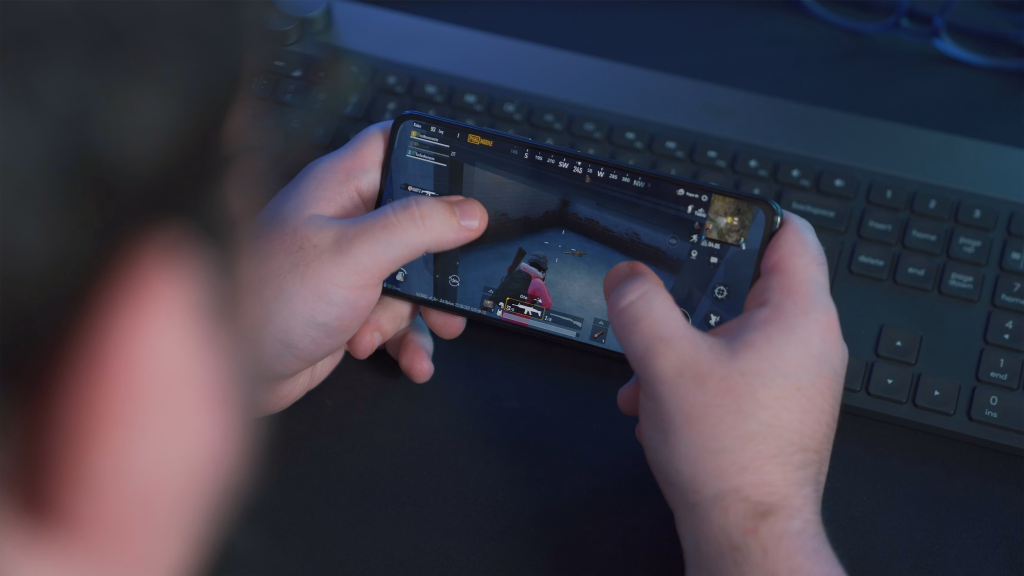
Gaming phones still trigger a familiar reaction. Bright designs, shoulder triggers, aggressive cooling systems, and terms like “performance mode” can make the whole category look like a branding exercise built for attention first. From a distance, that scepticism makes sense. A modern flagship smartphone already handles games fairly well, so a dedicated gaming phone can seem like a louder version of the same idea. Yet that reading misses something important. Gaming phones exist because mobile gaming changed, and ordinary phones do not always meet those demands as comfortably as people assume.
That shift can be seen across the wider digital space, where entertainment increasingly depends on speed, low friction, and fast access. A platform such as spin fin fits naturally into the same broader culture, where convenience and performance work best together. Gaming phones follow that logic in hardware form. A stronger cooling system, better touch response, longer battery life, and more stable sustained performance are not imaginary benefits. For anyone spending serious time in mobile games, those details stop looking cosmetic very quickly.
Mobile Gaming Became More Demanding Than People Realised
The old view of phone gaming still lingers. Short puzzle sessions, simple controls, light graphics, and quick breaks between messages shaped that earlier image. That world still exists, of course, but it no longer defines the whole market. Mobile games now include competitive shooters, fast multiplayer titles, open-world experiences, long-form role-playing systems, and games that run hard enough to expose every weakness in a device.
This is where gaming phones start making more sense. A regular smartphone may launch the game without any drama, then lose confidence twenty minutes later. Heat rises, brightness drops, battery drains faster than expected, and performance becomes less stable. None of this always looks catastrophic, but mobile gaming rarely falls apart in one theatrical moment. More often, the problem appears as small friction. A little lag, a warmer frame, touch input that feels slightly less crisp, audio that becomes less immersive once the session gets long.
That is why gaming phones are more than a visual statement. They are built around the reality that modern mobile gaming now asks for longer, steadier performance.
Cooling and Stability Matter More Than Flashy Design
A lot of the real value sits inside the device, not on the outside. One of the biggest differences is thermal design. A gaming phone usually treats heat as a central issue instead of a side effect. That matters because sustained performance is what separates a comfortable session from a frustrating one.
A powerful chip means less if the phone throttles under pressure. A sharp display means less if the device gets hot enough to make long sessions unpleasant. A gaming phone tries to hold its performance longer, and that makes a practical difference.
Where Gaming Phones Usually Show Their Strength
- Better heat management during longer sessions
- More stable frame rates under sustained load
- Faster touch sampling for more responsive controls
- Larger batteries built for heavier gaming use
- Extra performance modes for demanding titles
- Better grip and control for landscape play
None of these features sounds dramatic on its own. Put together, though, they create a phone that feels more reliable when gaming becomes the main task rather than a casual side activity.
Battery Life Is Part of the Whole Argument
Battery life is another reason the category has real value. Mobile games can be demanding in a very ordinary, boring, and expensive way. They burn through power. A standard phone used for work, messages, navigation, music, and gaming can run out of patience early. Gaming phones are often built with bigger batteries and faster charging because heavy play is expected, not treated like occasional misuse.
That changes the mood of ownership. A person using a gaming phone does not need to treat every longer session like a tiny act of battery vandalism. The device is supposed to handle the load.
Gaming Phones Also Reflect a Different User Habit
Not every buyer needs one. That should be said clearly. For light play, social games, or occasional sessions, a normal modern phone may be more than enough. The value of a gaming phone appears when gaming becomes a real part of the daily routine rather than an afterthought between other apps.
Who Usually Benefits Most From Gaming Phones
- Mobile players spending long hours in competitive games
- Users who value stable performance over pure camera prestige
- People who play while travelling or away from a console setup
- Buyers who want stronger battery life during heavy use
- Players who care about cooling and control in fast titles
- Anyone treating mobile gaming as a main platform rather than a side option
That list explains why gaming phones remain relevant. The category is not aimed at everybody, and it does not need to be.
The Category Exists Because the Need Is Real
Gaming phones are more than marketing because the pressure behind them is real. Mobile gaming grew into something larger, heavier, and more performance-hungry than older assumptions allowed. A phone built to survive that pressure has practical value, even if the design language sometimes tries a little too hard to look dangerous.
In the end, that is the real point. A gaming phone is not just a regular device in louder packaging. It is a phone built around a different priority. Better cooling, stronger battery life, faster touch response, and more stable sustained performance are not fantasy features. For the right user, those things change the experience enough to justify the category. The branding may be loud, but the reason behind it is real.