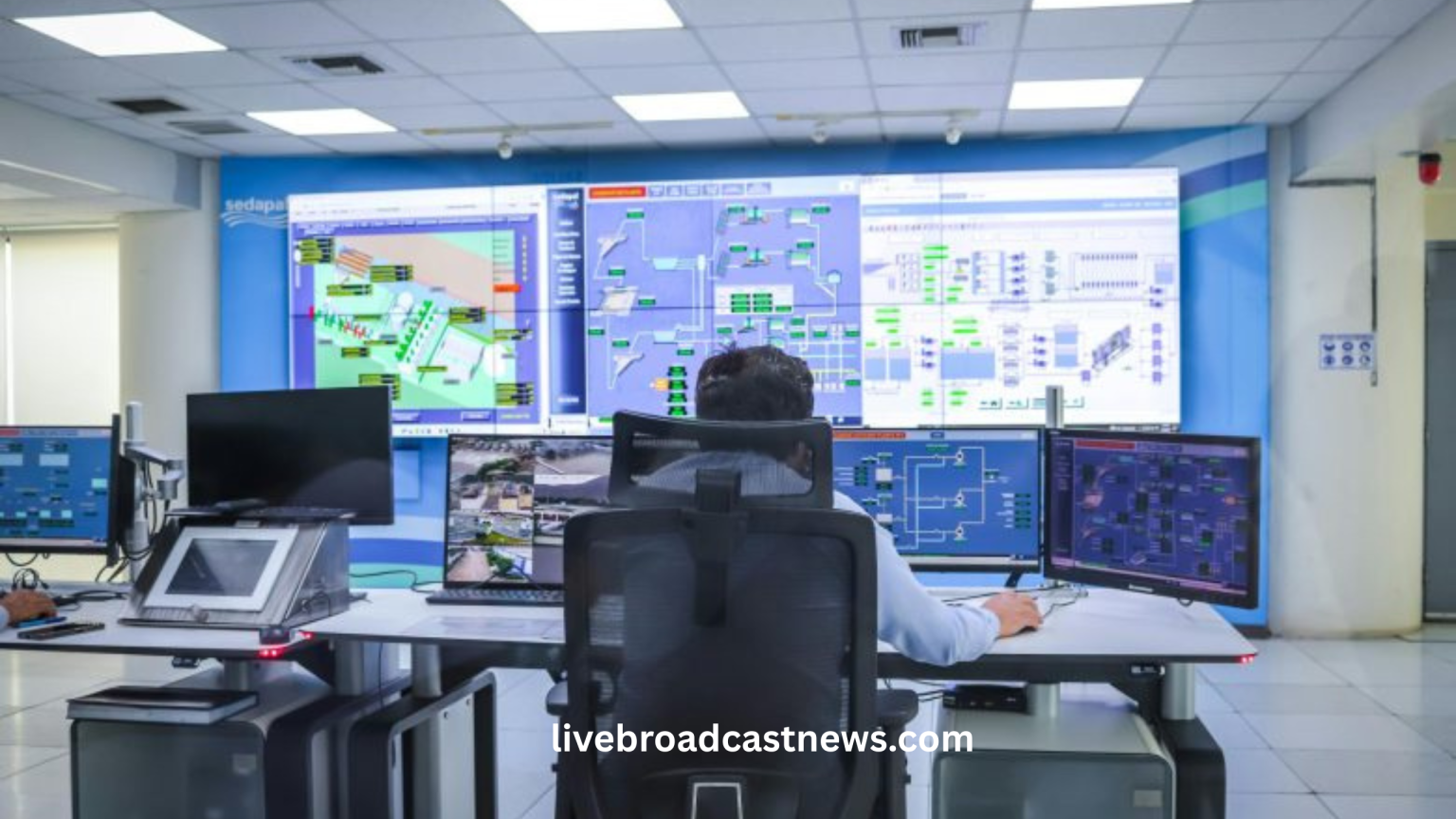

In the competitive and rapidly evolving media landscape of Asia, broadcasters are under increasing pressure to innovate, captivate, and engage. Audiences today are no longer satisfied with static visuals or traditional storytelling methods—they expect compelling, real-time graphics and interactive visual experiences. NTV Mongolia, a cornerstone of Mongolian television, has boldly embraced this challenge.
The network has embarked on a major upgrade to its newsroom and Master Control Room (MCR) infrastructure by integrating cutting-edge technology from Brainstorm, a globally renowned company specializing in real-time 3D graphics and virtual studio solutions. This article explores the journey, implications, and future impact of this strategic upgrade.
A Brief Look at NTV Mongolia
NTV Mongolia has been a key pillar in Mongolian broadcasting, offering news, current affairs, entertainment, and cultural programming. Over time, it has evolved from a conventional TV station into a multi-platform content provider that reaches viewers through television, online streams, and social media.
But as the competition in digital storytelling grew fiercer, NTV recognized the need to modernize its production environment—particularly in visual storytelling and newsroom agility. Viewers were gravitating toward international outlets that featured polished visuals, immersive graphics, and augmented reality. To stay relevant, NTV had to act decisively.
The Need for Change
Internally, NTV producers and technical teams were already aware of the limitations of their older systems. The graphics rendering engine was slow, lacked real-time data integration, and offered limited flexibility for live broadcasts. The MCR systems were capable but outdated, resulting in operational inefficiencies and reduced production speed.
Externally, competitors in both regional and global markets were beginning to adopt advanced studio setups powered by virtual environments and dynamic data-driven graphics. NTV risked falling behind if they didn’t modernize.
Moreover, Mongolia’s growing digital user base meant that content was increasingly consumed on mobile platforms, where visual quality and interactivity are critical. To remain competitive, NTV needed to ensure a high-quality visual experience across all channels.
Choosing Brainstorm as the Technology Partner
After extensive research and consultation with industry experts, NTV Mongolia chose Brainstorm as its technology provider. Brainstorm’s reputation for innovation, its robust integration capabilities, and its proven success with international broadcasters made it the obvious choice.
Brainstorm offers a suite of solutions that includes virtual sets, augmented reality graphics, and real-time 3D rendering for live news, sports, and entertainment. These solutions are not only visually impressive but also highly adaptable to the unique demands of broadcasters operating in diverse environments like Mongolia.
NTV’s leadership saw this partnership not merely as a technical investment but as a transformative moment—a way to redefine their newsroom’s visual identity.
The Implementation Process
The integration of Brainstorm’s systems into NTV’s existing newsroom and MCR infrastructure was carried out in multiple phases.
Initial Assessment and System Audit
The project began with a comprehensive audit of NTV’s current workflow, system architecture, and graphics requirements. Brainstorm engineers worked closely with NTV’s IT and production teams to identify pain points and map out the optimal upgrade path.
Equipment Installation and Software Deployment
New rendering servers, high-performance graphic workstations, and control interfaces were installed. Brainstorm’s graphics platform was deployed alongside the newsroom computer system, ensuring seamless integration with editorial tools. This made it easy for journalists and editors to add graphics directly from within their scripts.
Staff Training and Workflow Reengineering
One of the most critical elements of the integration was staff training. Graphic designers, producers, and MCR operators were trained to use the new tools efficiently. New workflows were designed to maximize the real-time capabilities of the Brainstorm system, from generating live election graphics to rendering animated infographics during breaking news.
Testing and Optimization
The system underwent extensive testing before being rolled out for live broadcast. Feedback was collected from various departments, and configurations were fine-tuned to ensure optimal performance during high-pressure live productions.
Key Features and Capabilities Gained
NTV Mongolia’s upgrade has unlocked a host of new capabilities:
Real-Time 3D Graphics
The most striking feature is the ability to generate high-fidelity 3D graphics in real time. This empowers NTV to create visually engaging explainers, infographics, and background visuals that enrich news coverage.
Data-Driven Visuals
Live data feeds, such as election results, financial data, or social media trends, can now be integrated directly into broadcast graphics. This not only improves accuracy but also allows for interactive storytelling.
Virtual Sets and Augmented Reality
NTV now has the option to deploy virtual studio environments and augmented reality elements. These can be used for special coverage like sports events, weather updates, and long-format current affairs programs, elevating viewer engagement.
Unified Workflow Integration
The new system is tightly integrated with the NRCS, enabling journalists to create, preview, and cue graphics from within their editorial interface. This speeds up production and reduces manual errors.
Scalability and Future-Proofing
The Brainstorm system was chosen not only for what it can do now but also for its ability to scale in the future. It supports further expansion into virtual production, green screen studios, and interactive audience engagement technologies.
The Impact on Programming and Viewership
Since the upgrade, NTV Mongolia has reported a noticeable uptick in viewer engagement, especially on digital platforms. Programs now feature crisp visuals, seamless transitions, and vibrant animations that enhance comprehension and retention. News anchors and reporters also benefit from the real-time feedback and visual aids provided during live broadcasts.
This investment has also allowed NTV to launch new program formats, including data-focused segments and live analysis features that were previously difficult to produce with legacy systems.
Internally, the newsroom’s efficiency has improved significantly. Journalists and producers now spend less time coordinating with graphics departments and more time focusing on storytelling. The production cycle is shorter, and breaking news can be visually supported within minutes.
Industry and Regional Significance
NTV Mongolia’s partnership with Brainstorm sets a benchmark for the region. As the first major broadcaster in Mongolia to implement such an advanced graphics system, NTV is helping to reshape industry expectations. Smaller networks and independent content creators are taking note.
This upgrade also aligns Mongolia’s broadcast standards more closely with those of neighboring countries and international broadcasters. It signals to advertisers, partners, and audiences that NTV is committed to excellence, not just in content but in presentation and innovation.
Challenges Faced
Despite the success, the transition was not without its challenges. Network infrastructure had to be upgraded to handle high-performance graphics data. There were also technical hurdles in syncing old systems with new ones. Cultural adaptation within the newsroom took time, as staff had to become comfortable with a more tech-intensive workflow.
Nevertheless, the collaborative approach taken by Brainstorm’s team and NTV’s management helped overcome these barriers. Regular communication, iterative testing, and on-site support ensured a smooth transition.
Looking Ahead: The Future of NTV’s Broadcast Innovation
NTV Mongolia is already planning additional phases of innovation. Upcoming projects include the creation of a fully virtual studio for debate programs and the integration of augmented reality graphics for sports analysis.
There are also plans to extend Brainstorm’s capabilities into mobile-first production formats, such as vertical video and AR-enabled news stories designed for social media. This would allow NTV to reach a younger, digitally native audience.
NTV’s transformation is a testament to how technology can empower journalism when applied with purpose. It offers a blueprint for other broadcasters looking to revamp their operations in a digitally saturated media environment.
Frequently Asked Questions
What is the purpose of NTV Mongolia’s upgrade with Brainstorm technology?
The upgrade aims to modernize NTV Mongolia’s newsroom and Master Control Room (MCR) with real-time 3D graphics, virtual set capabilities, and data-driven visual storytelling to enhance production quality and viewer engagement.
Who is Brainstorm and why did NTV choose them?
Brainstorm is a globally recognized company specializing in real-time 3D graphics, virtual studios, and augmented reality solutions. NTV chose Brainstorm for its flexible, scalable, and proven solutions in broadcast environments around the world.
What new features does NTV now have access to?
NTV now benefits from real-time 3D rendering, data-integrated graphics, virtual sets, augmented reality visuals, and tighter integration with newsroom systems, resulting in faster and more dynamic content production.
How does the new system impact news production workflows?
The integration streamlines newsroom operations by allowing journalists to access, preview, and cue graphics directly from editorial software, reducing delays and improving the speed of live reporting.
Did NTV staff need training to use the new tools?
Yes. Training sessions were conducted for producers, graphic designers, and control room operators to familiarize them with the Brainstorm interface, workflows, and automation features.
How has the audience responded to the upgrade?
Early feedback has been positive, with viewers noting improved visual quality, more engaging graphics, and more interactive storytelling, particularly on digital platforms.
What challenges did NTV face during the integration?
Challenges included upgrading legacy systems, adapting newsroom workflows, and ensuring all staff were trained and comfortable with the new technology. These were resolved through phased implementation and close collaboration with Brainstorm.
Is this upgrade part of a larger digital strategy at NTV?
Yes. This integration is part of a broader digital transformation initiative at NTV aimed at enhancing multi-platform content delivery, improving audience interaction, and future-proofing the network’s infrastructure.
Will other Mongolian broadcasters follow this example?
NTV’s successful upgrade may influence other local broadcasters to adopt similar technologies, potentially raising the overall standard of Mongolian broadcast journalism.
What’s next for NTV Mongolia after this upgrade?
Future plans include expanding virtual studio setups, integrating AR elements into sports and entertainment programming, and enhancing mobile and social media video formats using Brainstorm’s tools.
Conclusion
NTV Mongolia’s strategic integration of Brainstorm technology into its newsroom and master control room represents more than just a software update—it is a reinvention of how the network tells stories, engages its audience, and competes on the global media stage. Through this upgrade, NTV has not only modernized its technical capabilities but has also positioned itself as a visual leader in Mongolian broadcasting.