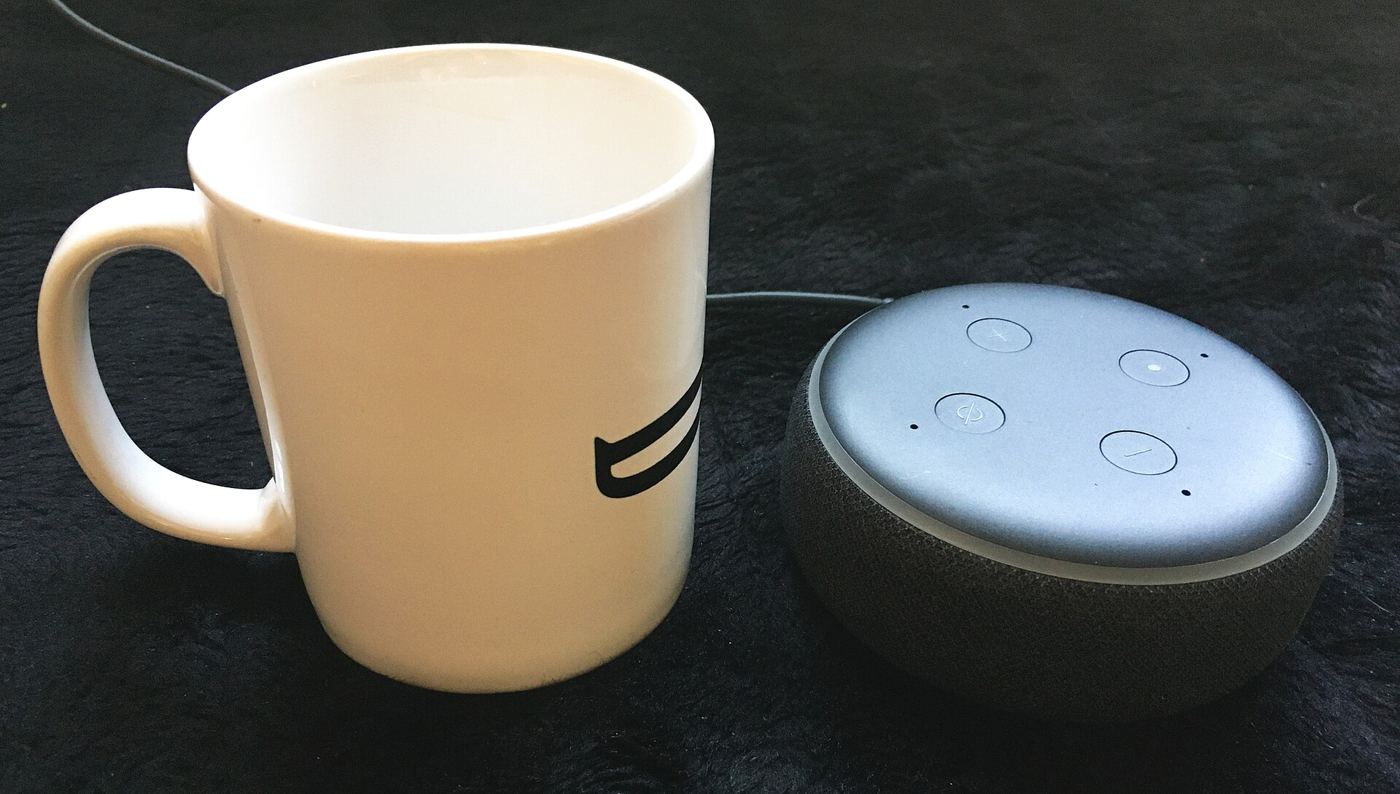

A small cylinder on the kitchen counter now answers questions, plays music, sets timers, reads the news and controls the lights, all without a screen or a keyboard. Smart speakers from Amazon, Google and Apple have become one of the most common gadgets in the home, and their appeal is easy to understand: they are cheap, they are always ready, and they let people do things with their hands full. The devices work by listening for a wake word, then sending the request to the cloud, where it is understood and answered in seconds. Over time they have become the control point for the smart home, switching on lights, adjusting thermostats and locking doors on command. Millions of households now have at least one, and many have several, one in each room. The speaker has become the most familiar face of the connected home.
What the Evidence Shows
The same always-listening design that makes smart speakers useful also makes them controversial. The devices must listen constantly to hear their wake word, and recordings of accidental activations have occasionally been reviewed by human staff, raising questions about what is stored and who can hear it. Manufacturers say wake-word processing happens on the device and that recordings can be reviewed and deleted, but privacy campaigners argue that few users ever check those settings. The speakers also shape what people hear: answers come from a single source, with no list of alternatives to compare. Competition is tightening too, as regulators examine how the big platforms favour their own services. For most owners the trade-off is acceptable, but it is worth knowing exactly what the bargain is: convenience in exchange for a microphone that never fully sleeps. Reporting and analysis from sources such as Wired track the same developments, and specialists following smart speaker privacy say the direction is now consistent across independent lines of evidence.
The Wider Context
The wider context is an industry learning to ship capability and restraint together. Products built around smart speaker privacy now launch with safety evaluations, usage data and rollback plans as standard, because enterprise buyers and regulators ask for them in the first meeting. Companies that treated those questions as friction are discovering they have become the purchase criteria.
What Happens Next
What happens next for smart speaker privacy depends less on another breakthrough than on the unglamorous work of reliability, pricing and support. The buyers evaluating it now are not enthusiasts; they are operators with budgets and auditors, and their checklists will decide the timeline. On the evidence of the current pilots, the technology has earned the right to be judged by them. You can follow related developments in our coverage of technology.
None of this will be settled by a single announcement, study or product launch. The pattern to watch is accumulation: independent confirmations, honest reporting of failures and steady improvement in the underlying numbers. Readers who follow those signals, rather than the loudest claim of the week, will understand this subject better than most of the commentary surrounding it suggests is possible.