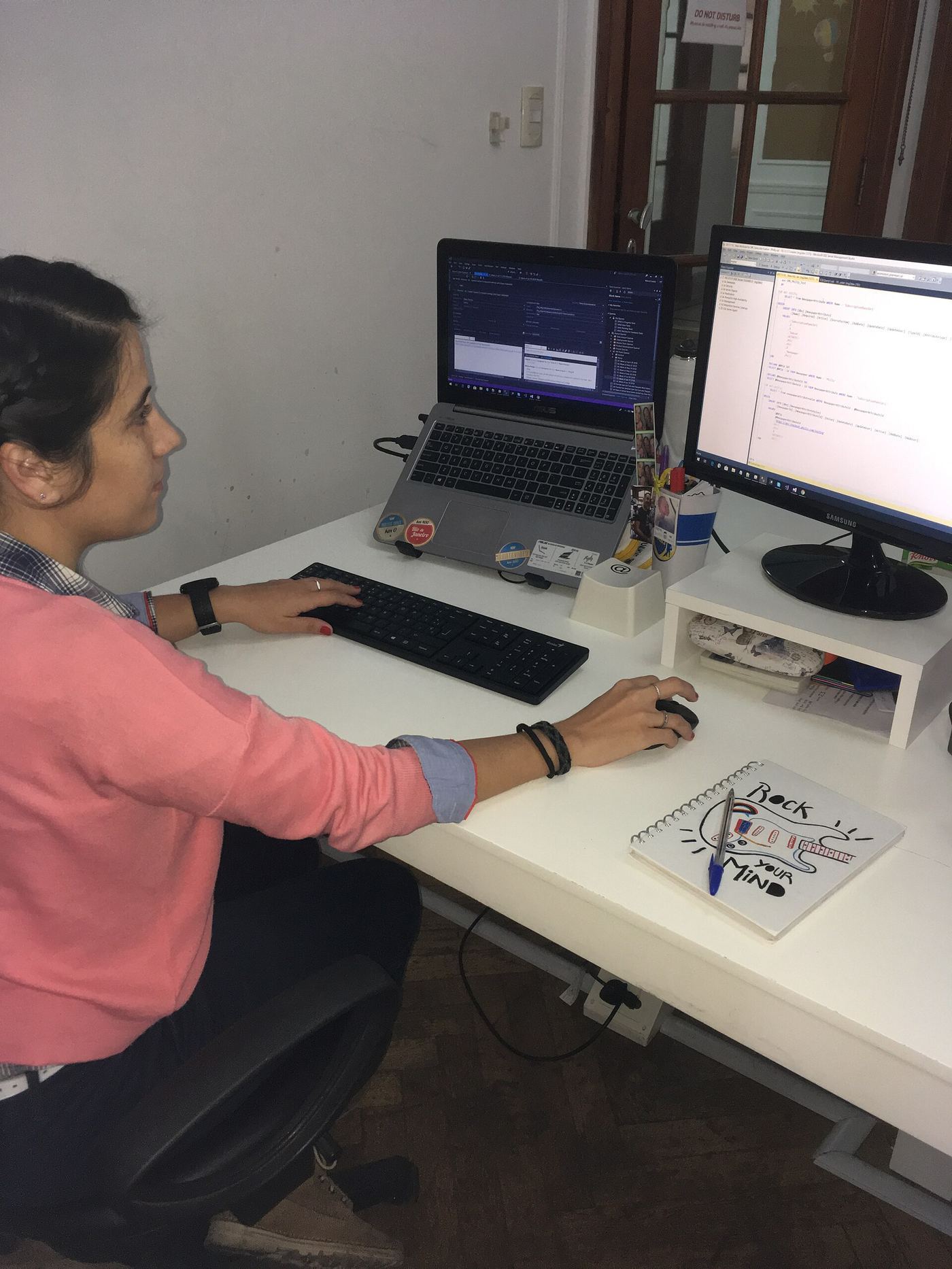

AI coding assistants that suggest lines of code as developers type have spread quickly through software teams, promising faster work on routine tasks and boilerplate. Now many teams are writing formal rules for how the tools may be used, treating the AI as a junior pair programmer whose every suggestion must be reviewed by a human before it reaches the product. The rules typically require tests for AI-written code, forbid automatic merging, and demand that developers understand any code they accept rather than pasting it in blindly. Engineering managers say the discipline matters because the assistants are confident even when wrong, producing plausible code that can hide subtle bugs. Early studies suggest productivity gains are real but uneven, with the biggest benefits on repetitive work and the smallest on complex design decisions where human judgement still dominates the task.
What the Evidence Shows
The risks teams are guarding against go beyond simple mistakes. AI suggestions can occasionally reproduce insecure patterns, mishandle personal data, or echo code from sources with incompatible licences, all of which create problems that only surface later. Training is becoming part of the rollout, especially for junior developers who may be tempted to accept suggestions without questioning them. Some teams now track how much of their code comes from AI assistance and review it more closely, while others run automated security scans on every AI-assisted change. Managers say the goal is not to slow developers down but to keep quality and accountability clear: the human who approves the code owns it, whatever helped write it, and that principle is unlikely to change. Security specialists add that teams now run AI-assisted code through the same checks as human-written code, including peer review, automated tests and scans for known vulnerabilities before release. Reporting and analysis from sources such as Wired track the same developments, and specialists following the AI pair programming workflow say the direction is now consistent across independent lines of evidence.
The Wider Context
The wider context is an industry learning to ship capability and restraint together. Products built around the AI pair programming workflow now launch with safety evaluations, usage data and rollback plans as standard, because enterprise buyers and regulators ask for them in the first meeting. Companies that treated those questions as friction are discovering they have become the purchase criteria.
What Happens Next
What happens next for the AI pair programming workflow depends less on another breakthrough than on the unglamorous work of reliability, pricing and support. The buyers evaluating it now are not enthusiasts; they are operators with budgets and auditors, and their checklists will decide the timeline. On the evidence of the current pilots, the technology has earned the right to be judged by them. You can follow related developments in our coverage of technology.
None of this will be settled by a single announcement, study or product launch. The pattern to watch is accumulation: independent confirmations, honest reporting of failures and steady improvement in the underlying numbers. Readers who follow those signals, rather than the loudest claim of the week, will understand this subject better than most of the commentary surrounding it suggests is possible.