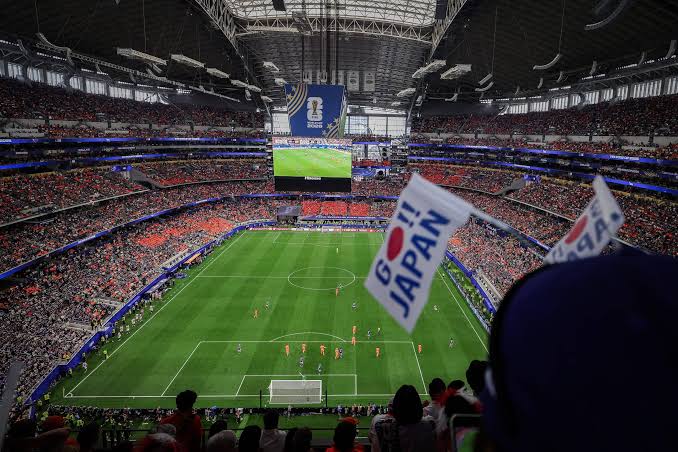

Houston and Kansas City arrive at World Cup 2026 with two of the tournament’s most distinctive atmospheres: a climate‑controlled southern cauldron in Texas and a famously loud open‑air bowl in the American Midwest. Houston Stadium (NRG) offers a retractable‑roof environment designed to blunt extreme heat, while Kansas City Stadium (Arrowhead) brings steep stands, wrap‑around seating and noise levels that have set records in other sports. For anyone watching full matches, those differences will show up directly in pressing intensity, game tempo and how momentum swings over 90 minutes.
Why These Two Cities Matter For Reading Tournament‑Wide Performances
Both Houston and Kansas City sit high on climate‑risk lists for the 2026 tournament, with analyses repeatedly flagging their potential for very hot June–July conditions. At the same time, they occupy very different design profiles: Houston’s retractable‑roof stadium will host matches on a newly installed grass pitch in an indoor‑like setting, while Kansas City’s open‑air venue will lean into its reputation as one of the loudest stadiums in the world, with seating and acoustics that trap sound. For viewers, these cities become key reference points—Houston for how teams behave in controlled, heat‑managed conditions, and Kansas City for how noise and true outdoor weather together shape tactics.
Houston Stadium: Roof, Grass And Managing Heat From The Inside
Houston Stadium (NRG rebranded) has been fitted with a FIFA‑standard natural grass pitch for 2026, laid over the existing base and supported by grow lights and a modern irrigation system to keep the surface consistent despite the Texas summer outside. The retractable roof and climate control are central to the plan: airport guidance for visitors stresses that while Houston’s outdoor heat can be oppressive, the stadium itself will remain comfortable for fans and significantly more stable for players. When you watch matches there, you should therefore expect clean ball roll, predictable crosses and far fewer weather‑driven disruptions than you might anticipate from the city’s reputation—any drop in pressing or tempo is more likely coming from accumulated travel and tournament fatigue than from conditions inside the bowl.
Kansas City Stadium: Open‑Air Noise And “Air You Can Wear”
Kansas City Stadium, the World Cup name for GEHA Field at Arrowhead, will host six matches with a confirmed tournament capacity of 69,045 after FIFA’s event‑specific reconfiguration. The venue’s symmetrical wrap‑around seating and enclosed feel have made it famous for noise; local and national profiles describe it as a cauldron‑like structure whose acoustics amplify crowd roars to record‑setting levels, especially when fans stand and chant in unison. Unlike Houston, there is no roof to block heat or storms, and climate updates note that Kansas City is among the host cities where June–July “air you can wear” conditions—hot, humid and heavy—could push temperatures above 30°C during the tournament. For viewers, that means matches here will combine genuine environmental load with a soundscape that can visibly alter how bravely teams press or play out.
How Watching Live Reveals The Contrast Between Controlled And Exposed Atmospheres
The differences between Houston and Kansas City are easiest to see when you follow full matches rather than highlight packages. Across 90 minutes in Houston’s roof‑closed bowl, choosing to ดูบอลสด lets you see how teams use the stable environment to attempt sharp passing sequences, long diagonals and coordinated high presses, knowing that wind, sudden downpours or searing direct sun will not intervene; any shift from aggression to caution tends to correspond with game state or tactical adjustment more than with changing weather. In Kansas City, by contrast, watching the whole match reveals how early intensity interacts with growing heat and noise: a side might begin with an aggressive press, but as humidity and “air you can wear” conditions accumulate, you often see lines gradually drop, restarts take longer and the crowd’s surges of volume correspond to shorter, sharper bursts of pressing rather than sustained waves.
Checklist: What To Track When You Watch Matches In Houston And Kansas City
Because the environmental and acoustic effects build gradually, it helps to bring a structured checklist to each broadcast. Using the same lens for both cities makes it easier to compare how teams adapt to a roofed southern arena versus a loud Midwestern open‑air bowl.
- Before kick‑off, note whether Houston’s roof is visibly closed and check local temperature and humidity reports for both cities to gauge external stress on players pre‑match.
- In the first 15 minutes, focus on how quickly teams attempt to play through pressure: in Houston, watch for ambitious vertical combinations and long diagonals; in Kansas City, note whether backlines immediately go long under crowd noise or still seek short build‑up.
- Around the 30–35‑minute mark, track sprint recovery: are wide players in Kansas City still able to recover deep after attacks, or do you already see slower jogs back as heat and humidity take effect?
- In the second half, compare pressing height and line compactness between the two venues—sustained high presses are more plausible in Houston’s controlled climate, whereas Kansas City may show more mid‑block defending and selective, noise‑driven surges.
- After full‑time, look at xG and shot maps with context: in Houston, a low‑xG game often reflects tactical caution, while in Kansas City similar numbers might reflect rational adaptation to heat and the physical cost of playing in loud, open conditions.
Applying this checklist over several matches turns the two cities into useful case studies. If a team maintains coordinated pressing and clean chance creation across both Houston and Kansas City, that suggests a robust physical and tactical platform; if they look fluent in Houston but repeatedly fade or go long and direct in Kansas City, you are probably watching a side that struggles when the environment and crowd push the game away from control.
Table: Houston vs Kansas City – Stadium Profiles And Tactical Implications
Bringing the key features of both venues into a single table clarifies how their differing atmospheres should change what you pay attention to on screen.
| Factor | Houston Stadium (NRG) | Kansas City Stadium (Arrowhead) | What to watch for when you tune in |
| Capacity (World Cup) | Large NFL‑scale bowl; among bigger host venues | 69,045 after FIFA reconfiguration; 6 matches hosted | Big‑event feel and pressure in both, with slightly steeper feel in KC |
| Roof and climate | Retractable roof; climate‑controlled interior | Open‑air; hot, humid “air you can wear” conditions possible | Houston: stable environment; KC: heat and weather shape tempo |
| Playing surface | New natural grass installed over NFL base | Grass surface tuned for FIFA standards in loud NFL bowl | Both technically sound; environment, not pitch, is bigger variable |
| Atmosphere | Loud indoor‑like crowd in closed bowl | Record‑setting noise, wrap‑around acoustics, cauldron‑like | Houston: constant hum; KC: noise spikes that coincide with pressing surges |
| Tactical tendency | Favors precise passing, sustained structure and deliberate presses | Favors compact shapes, selective pressing, emotionally driven surges | Different stress tests for the same game model |
Seeing the contrast laid out like this helps set expectations. A match in Houston that remains slow and cautious despite an immaculate surface and controlled climate tells you something specific about the coaches’ risk appetite, while a game in Kansas City that becomes stretched and chaotic at times may simply be reflecting the combined pressure of heat, noise and open sky rather than a lack of discipline.
Summary
Houston and Kansas City give World Cup 2026 two of its clearest environment‑and‑atmosphere contrasts: a roofed, climate‑managed southern arena with new grass and a loud but contained soundscape, and a classic open‑air cauldron where heat and noise can swing momentum in seconds. If you watch full matches from both cities with an eye on pressing height, sprint recovery and the relationship between crowd surges and tactical risk, you will be better able to separate what stems from a team’s game model from what is imposed by venue, climate and acoustics. That perspective turns each Houston and Kansas City broadcast into a richer study of how modern footดูบอลออนไลน์ ช้าง adapts to two very different North American stages.