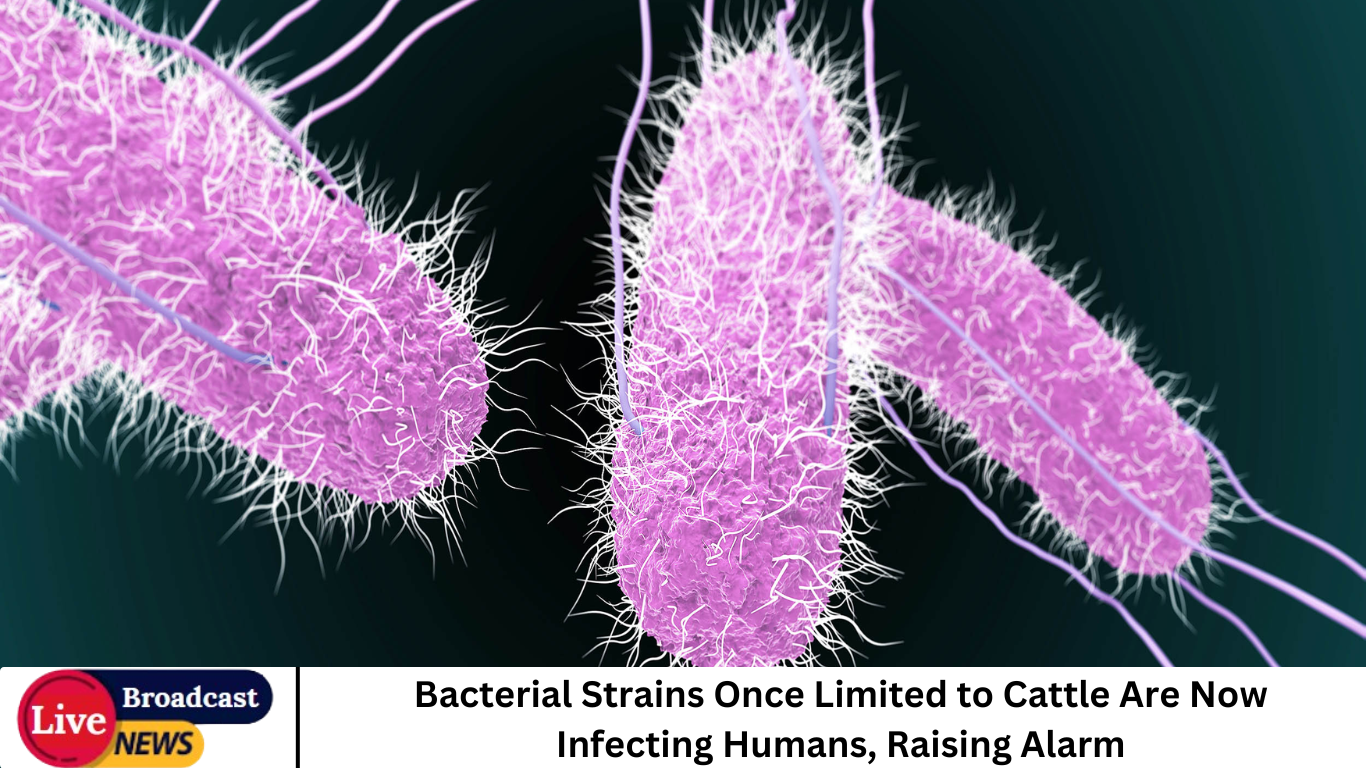

Recent scientific findings have revealed an alarming trend: bacterial strains that historically infected only cattle are now crossing species barriers and affecting humans. This emerging public health threat has captured the attention of researchers, health authorities, and the livestock industry worldwide.
Understanding the causes, mechanisms, and potential impacts of these zoonotic bacteria is crucial for preventing widespread outbreaks and protecting both human and animal health.
More Read: Shingles Vaccine Could Help Prevent a Common Age-Related Condition
Understanding Zoonotic Bacteria
Zoonotic bacteria are microorganisms that can be transmitted from animals to humans. Historically, most zoonotic infections were limited to specific animal species, and human cases were rare. However, changes in agriculture, human behavior, and microbial evolution have increased the likelihood of cross-species infections. Cattle, being one of the most common livestock animals globally, serve as reservoirs for several bacterial strains, some of which are now emerging as threats to human health.
Common Bacterial Strains in Cattle
Cattle are hosts to numerous bacterial pathogens, including:
- Escherichia coli (E. coli): Some strains can cause severe gastrointestinal illness in humans.
- Salmonella spp.: Known for foodborne illnesses, with some strains becoming antibiotic-resistant.
- Listeria monocytogenes: Responsible for listeriosis, a serious infection in vulnerable populations.
- Mycobacterium bovis: Causes bovine tuberculosis, which can infect humans through raw milk or direct contact.
While these bacteria were traditionally managed through livestock monitoring and food safety measures, new strains are demonstrating increased virulence and the ability to infect humans directly.
How Cattle Bacteria Cross the Species Barrier
The transmission of bacteria from cattle to humans involves several pathways:
- Direct Contact: Farmers, veterinarians, and slaughterhouse workers are at risk through direct interaction with infected animals.
- Foodborne Transmission: Contaminated meat, milk, and dairy products can carry harmful bacteria to consumers.
- Environmental Spread: Manure runoff and contaminated water sources can facilitate bacterial movement from farms to communities.
- Genetic Evolution: Mutations and horizontal gene transfer among bacteria can increase their ability to infect humans and resist antibiotics.
Recent research highlights that certain E. coli and Salmonella strains have adapted mechanisms to survive human hosts, making infections more frequent and severe.
The Global Impact of Emerging Cattle-Borne Infections
The emergence of human infections linked to cattle bacteria poses significant challenges:
- Public Health Threats: Increasing hospitalizations and complications from severe bacterial infections.
- Economic Consequences: Livestock culling, reduced productivity, and trade restrictions impact the agricultural economy.
- Antibiotic Resistance: Overuse of antibiotics in cattle farming contributes to the rise of drug-resistant bacterial strains that are difficult to treat in humans.
Countries with dense cattle populations and limited biosecurity measures are particularly vulnerable. In regions where raw milk consumption is common, Mycobacterium bovis infections are re-emerging as a public health concern.
Case Studies of Cross-Species Bacterial Infections
1. E. coli Outbreaks Linked to Beef
In recent years, several outbreaks of E. coli infections in humans have been traced back to contaminated beef. These infections often lead to severe gastrointestinal symptoms, kidney complications, and in some cases, death. Genetic analysis shows that the responsible E. coli strains have adapted to survive in both cattle and humans, highlighting the evolving threat of zoonotic bacteria.
2. Salmonella Transmission Through Dairy Products
Salmonella contamination in milk and cheese continues to be a problem in certain regions. Advanced genomic sequencing has identified new Salmonella strains in cattle that possess enhanced survival traits, making them more likely to infect humans. Outbreaks have resulted in recalls of dairy products, hospitalizations, and public concern over food safety practices.
3. Bovine Tuberculosis in Humans
Although largely controlled in many countries, bovine tuberculosis caused by Mycobacterium bovis remains a risk. Human cases typically arise from consuming unpasteurized milk or handling infected cattle. Recent studies suggest that mutations in some M. bovis strains may increase their ability to infect humans, raising red flags for public health monitoring.
Risk Factors for Human Infection
Certain factors increase the likelihood of humans contracting bacteria from cattle:
- Occupational Exposure: Farmers, abattoir workers, and veterinarians face higher risks due to direct contact.
- Consumption Habits: Drinking raw milk or consuming undercooked beef increases the likelihood of infection.
- Antibiotic Misuse: Use of antibiotics in cattle can select for resistant bacterial strains, complicating treatment in humans.
- Environmental Conditions: Poor sanitation, contaminated water, and dense livestock farming facilitate bacterial spread.
Understanding these risk factors helps in designing effective preventive strategies and public awareness campaigns.
Preventive Measures and Public Health Interventions
Mitigating the threat of cattle-borne bacteria requires a multi-pronged approach:
1. Strengthening Food Safety
- Implement rigorous meat inspection protocols.
- Enforce pasteurization of milk and dairy products.
- Educate consumers about proper cooking and hygiene practices.
2. Enhancing Farm Biosecurity
- Regular health monitoring of livestock.
- Proper manure management and water sanitation.
- Controlled antibiotic use under veterinary guidance.
3. Surveillance and Research
- Genetic sequencing of bacterial strains to track mutations.
- Monitoring outbreaks in both human and cattle populations.
- Research on vaccines and alternative treatments to reduce infection risks.
4. Public Awareness Campaigns
- Educating farmers and the public about zoonotic risks.
- Promoting safe handling of livestock and food products.
- Raising awareness of antibiotic resistance and responsible usage.
The Role of Antibiotic Resistance
A growing concern is the link between livestock-associated bacterial infections and antibiotic resistance. Overuse of antibiotics in cattle to promote growth or prevent disease has led to the emergence of multidrug-resistant strains. These strains are harder to treat in humans, increasing hospitalization rates and mortality. Combating this requires strict regulation of antibiotic use in agriculture and ongoing surveillance of resistant bacteria.
Future Outlook: Preparing for Emerging Zoonoses
The rise of cattle-borne infections in humans underscores the importance of a One Health approach—recognizing the interconnectedness of human, animal, and environmental health. By integrating veterinary science, epidemiology, and public health strategies, we can anticipate and prevent future outbreaks. Key priorities include:
- Investing in vaccine research for livestock pathogens.
- Developing rapid diagnostic tools for early detection.
- Strengthening global reporting and response systems for zoonotic infections.
Failure to address these challenges may result in recurring outbreaks, economic losses, and escalating public health crises.
Frequently Asked Question
What are the bacterial strains that are now infecting humans from cattle?
Some of the main bacterial strains include E. coli, Salmonella, Listeria monocytogenes, and Mycobacterium bovis. These bacteria were historically found in cattle but have recently evolved or adapted mechanisms allowing them to infect humans.
How do these bacteria spread from cattle to humans?
Transmission occurs through:
- Direct contact with infected cattle (farmers, veterinarians).
- Consumption of contaminated food such as raw milk or undercooked meat.
- Environmental pathways, including contaminated water or soil near farms.
- Genetic adaptations that allow bacteria to survive in human hosts.
What are the symptoms of infection in humans?
Symptoms vary depending on the bacteria:
- E. coli: Diarrhea, abdominal cramps, sometimes kidney failure.
- Salmonella: Gastrointestinal upset, fever, nausea, vomiting.
- Listeria: Fever, muscle aches, and severe complications in pregnant women.
- Bovine tuberculosis (M. bovis): Persistent cough, fatigue, weight loss.
Who is at highest risk of infection?
High-risk groups include:
- Farm workers and veterinarians in direct contact with cattle.
- Consumers of raw or undercooked dairy and meat products.
- People with weakened immune systems, such as the elderly or those with chronic illness.
How serious is the threat of antibiotic resistance?
Very serious. Overuse of antibiotics in livestock has led to multidrug-resistant bacterial strains, making infections in humans harder to treat and increasing hospitalizations and complications.
What preventive measures can reduce the risk of infection?
- Ensure proper pasteurization of milk and cooking of meat.
- Practice good farm hygiene and biosecurity.
- Limit unnecessary use of antibiotics in livestock.
- Regular monitoring and testing of cattle for bacterial infections.
How can public health systems respond to this emerging threat?
Authorities can respond by:
- Conducting surveillance of bacterial strains in livestock and humans.
- Promoting awareness campaigns about zoonotic risks.
- Researching vaccines and treatments for cattle-borne bacteria.
- Implementing a One Health approach, integrating human, animal, and environmental health strategies.
Conclusion
The emergence of bacterial strains once limited to cattle infecting humans is a stark reminder of the evolving nature of infectious diseases. While the threat is real, proactive measures—including food safety, farm biosecurity, responsible antibiotic use, and public awareness—can significantly reduce risk. Coordinated efforts across sectors are essential to protect both human and animal health, ensuring a safer future for communities worldwide.