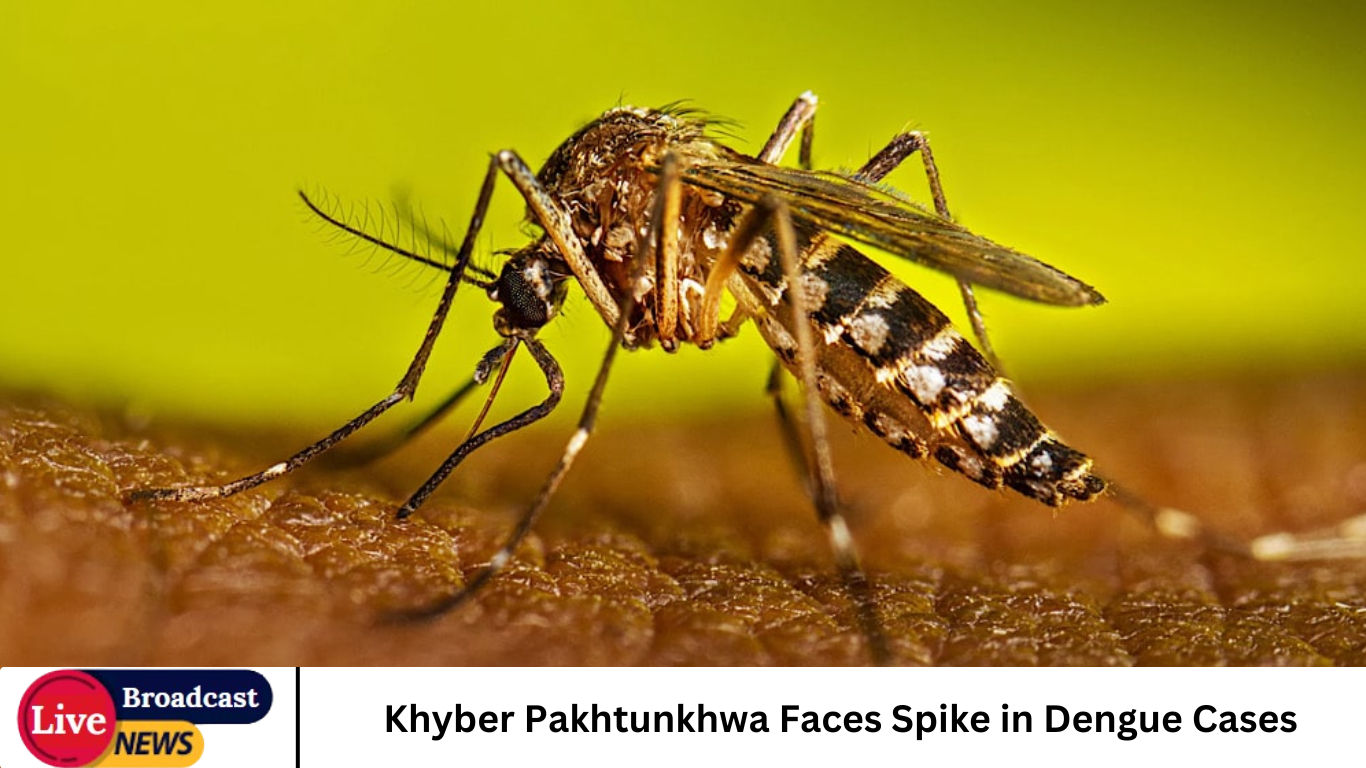

PESHAWAR, Pakistan – Khyber Pakhtunkhwa (KP) is currently witnessing a significant surge in dengue cases, raising concerns among health authorities and the public alike. The Health Department has reported 90 active cases, with 82 new infections detected within the last 24 hours.
This alarming trend highlights the urgent need for preventive measures and public awareness to contain the spread of this mosquito-borne disease.
More Raed: Tackling the Challenges of an Ageing Global Population
Overview of Dengue in Khyber Pakhtunkhwa
Dengue is a viral infection transmitted primarily by the Aedes aegypti mosquito, known for breeding in stagnant water. While it has been prevalent in Pakistan for decades, recent climatic changes, urbanization, and poor sanitation have created favorable conditions for its rapid spread.
In Khyber Pakhtunkhwa, a total of 398 confirmed dengue cases have been reported so far this season, with 308 recoveries. Among the districts, Charsadda has emerged as the epicenter, reporting 73 active cases, making it the most affected area in the province.
Other districts, including Abbottabad, Haripur, Nowshera, Mansehra, Lakki Marwat, Mardan, Peshawar, Swabi, and Tank, have also reported cases, though the numbers remain relatively lower.
Why Dengue Cases Are Surging in KP
Several factors contribute to the recent spike in dengue cases across KP:
1. Climatic Conditions
Monsoon rains and rising temperatures create ideal breeding conditions for mosquitoes, particularly in urban and semi-urban areas where water stagnates.
2. Urbanization and Poor Sanitation
Rapid urban growth has resulted in inadequate drainage systems, leading to water accumulation in open spaces, construction sites, and household containers.
3. Lack of Public Awareness
Many residents remain unaware of preventive measures, such as eliminating stagnant water, using mosquito repellents, and maintaining hygiene, which exacerbates the outbreak.
4. Migration and Travel
Movement of people between districts and provinces can spread the virus from affected areas to previously unaffected regions, making containment more difficult.
District-Wise Breakdown of Dengue Cases in KP
A closer look at the district-wise data provides insights into the spread:
| District | Active Cases |
|---|---|
| Charsadda | 73 |
| Abbottabad | 2 |
| Haripur | 1 |
| Nowshera | 3 |
| Mansehra | 3 |
| Lakki Marwat | 2 |
| Mardan | 1 |
| Peshawar | 1 |
| Swabi | 3 |
| Tank | 1 |
Charsadda remains the hotspot, accounting for the majority of active cases. Health authorities are prioritizing surveillance and preventive campaigns in this district to control the outbreak.
Symptoms of Dengue: How to Recognize Early Warning Signs
Early detection is crucial to managing dengue effectively. Common symptoms include:
- High fever
- Severe headache
- Pain behind the eyes
- Joint and muscle pain
- Nausea and vomiting
- Skin rash
- Mild bleeding (e.g., nose or gum bleeding)
If symptoms escalate to severe dengue, patients may experience plasma leakage, fluid accumulation, severe bleeding, or organ impairment. Immediate medical attention is essential in such cases.
Health Department Measures in KP
The Khyber Pakhtunkhwa Health Department has issued several advisories and is actively implementing preventive measures, including:
- Public Awareness Campaigns: Informing residents about preventive practices through media, posters, and community programs.
- Mosquito Control Operations: Spraying insecticides in affected districts, especially Charsadda.
- Hospital Preparedness: Ensuring hospitals are equipped to handle dengue patients and provide timely treatment.
- Surveillance: Monitoring mosquito breeding sites and active dengue cases to contain outbreaks effectively.
Preventive Measures for Residents
Citizens are urged to take the following steps to prevent dengue:
- Eliminate Stagnant Water: Regularly check flower pots, buckets, and containers for water accumulation.
- Use Mosquito Nets and Repellents: Especially during peak mosquito activity hours (early morning and evening).
- Maintain Cleanliness: Dispose of garbage properly and avoid water-logging in residential areas.
- Seek Medical Help Early: Visit the nearest hospital if you experience dengue-like symptoms.
Community cooperation is crucial to controlling the outbreak and minimizing health risks.
Impact of Dengue on Healthcare and Society
The surge in dengue cases places additional pressure on the healthcare system in KP:
- Hospital Burden: Increased patient influx strains hospital resources and staff.
- Economic Impact: Lost productivity due to illness and medical expenses affects families and communities.
- Public Anxiety: Fear of infection can disrupt daily life and social activities.
Addressing the outbreak requires a collective effort from authorities, healthcare workers, and residents.
Expert Opinions on Controlling Dengue
Dr. Asad Khan, an infectious disease specialist in Peshawar, emphasizes:
“Prevention is always better than cure. Eliminating mosquito breeding sites and ensuring personal protection are the most effective strategies against dengue.”
Public health experts also stress the importance of community participation, as isolated efforts by authorities alone cannot contain the outbreak.
Lessons from Past Outbreaks
Historically, dengue outbreaks in Pakistan have shown similar patterns:
- Seasonal spikes after monsoon rains.
- Urban districts are more vulnerable due to water stagnation.
- Early intervention and public education can significantly reduce infection rates.
Learning from past experiences, KP authorities are focusing on proactive measures to prevent a large-scale epidemic.
Role of Technology and Social Media in Awareness
Digital tools and social media platforms can play a pivotal role in dengue prevention:
- Awareness Campaigns: Viral posts, videos, and infographics educate the public.
- Real-Time Updates: Authorities can share live updates about affected areas and precautionary measures.
- Community Reporting: Citizens can report mosquito breeding sites via mobile apps or social media.
Leveraging technology ensures timely communication and better public response.
How Other Provinces Handle Dengue Outbreaks
Comparing KP with other provinces:
- Punjab and Sindh: Often witness higher dengue cases due to dense urban populations.
- Balochistan: Lower cases but still vulnerable in urban pockets.
- KP: Focus on early detection, surveillance, and community engagement can help contain outbreaks more effectively.
These comparisons provide insights into best practices and strategies KP can adopt.
Frequently Asked Question
What is causing the recent spike in dengue cases in Khyber Pakhtunkhwa?
The surge is primarily due to the monsoon season, stagnant water in urban and rural areas, poor sanitation, and increased mosquito breeding. Human movement between districts also contributes to the spread.
Which districts in KP are most affected by dengue?
Charsadda is currently the hotspot, reporting the majority of active cases. Other districts with reported infections include Abbottabad, Haripur, Nowshera, Mansehra, Lakki Marwat, Mardan, Peshawar, Swabi, and Tank.
What are the common symptoms of dengue?
Dengue symptoms include high fever, severe headache, pain behind the eyes, joint and muscle pain, nausea, vomiting, skin rash, and mild bleeding (nose or gums). Severe dengue can lead to plasma leakage, severe bleeding, and organ complications.
How can residents protect themselves from dengue?
Preventive measures include:
- Eliminating stagnant water around homes
- Using mosquito nets and repellents
- Maintaining cleanliness in and around living areas
- Wearing protective clothing and visiting hospitals promptly if symptoms appear
How many dengue cases have been reported in KP so far?
As of the latest Health Department data, there are 90 active cases and 398 confirmed infections in total, with 308 recoveries.
What steps is the Health Department taking to control the outbreak?
The Health Department is:
- Conducting mosquito control and fumigation
- Running public awareness campaigns
- Monitoring and reporting cases
- Ensuring hospitals are prepared to treat dengue patients
When should someone seek medical attention for dengue?
Medical help should be sought immediately if you experience dengue symptoms, especially high fever, severe pain, or bleeding. Early treatment reduces the risk of severe complications.
Conclusion
The spike in dengue cases across Khyber Pakhtunkhwa serves as a stark reminder of the importance of preventive healthcare, community engagement, and timely medical intervention. With coordinated efforts from the Health Department, local authorities, and residents, it is possible to mitigate the outbreak and protect public health. Citizens are urged to remain vigilant, adopt preventive practices, and seek medical care immediately if they exhibit dengue symptoms. Together, KP can overcome this public health challenge and prevent further escalation of dengue cases.