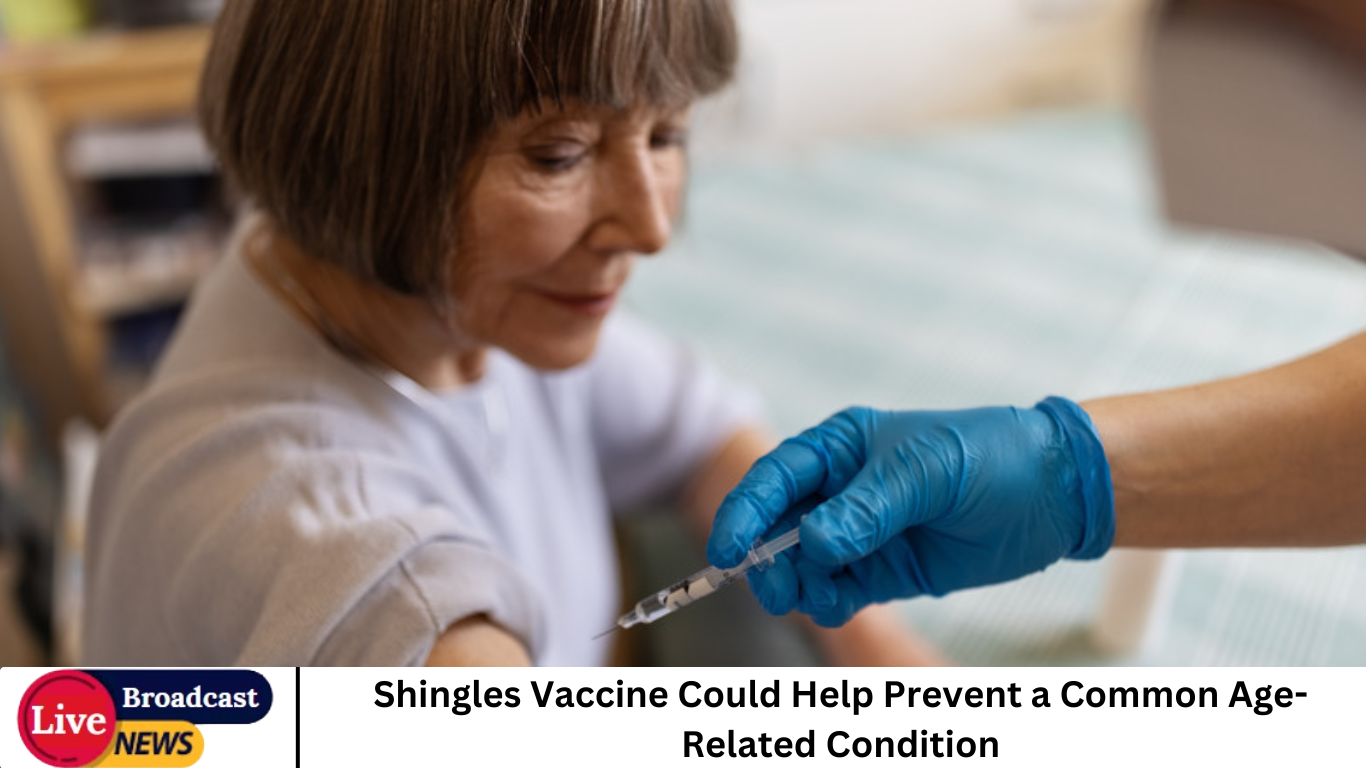

Shingles, also known as herpes zoster, is a viral infection that can cause painful rashes, blisters, and long-term complications. While most people associate shingles with severe discomfort and skin symptoms, emerging research indicates that the shingles vaccine may offer protection against a surprising age-related condition: dementia.
This article explores shingles, its vaccine, and its potential role in preventing cognitive decline, providing you with actionable insights to safeguard your health as you age.
More Read: Can the Mediterranean Diet Lower the Risk of Dementia?
What is Shingles?
Shingles is caused by the varicella-zoster virus (VZV), the same virus responsible for chickenpox. After an individual recovers from chickenpox, the virus remains dormant in nerve cells for life. In some cases, typically later in life, the virus reactivates and manifests as shingles.
Symptoms of Shingles
Shingles usually presents as a painful rash on one side of the body or face. Key symptoms include:
- Red, blistering rash that appears in a stripe or band
- Severe pain, burning, or tingling sensation
- Fever, chills, or headache in some cases
- Itching or sensitivity in the affected area
While shingles itself can be distressing, complications may arise, including postherpetic neuralgia (PHN)—chronic nerve pain that can persist long after the rash has healed. Other rare complications include vision loss if shingles affects the eye or neurological issues such as inflammation of the brain or spinal cord.
Understanding the Shingles Vaccine
The shingles vaccine is designed to reduce the risk of developing shingles and its complications. Two vaccines are currently available:
- Zostavax – a live attenuated vaccine introduced in 2006.
- Shingrix – a non-live, recombinant vaccine introduced in 2017, now the preferred option due to its higher efficacy.
How the Vaccine Works
The shingles vaccine boosts your immune system’s ability to suppress the varicella-zoster virus. By strengthening your immune response, the vaccine reduces the likelihood of the virus reactivating, thereby lowering your risk of shingles.
According to the Centers for Disease Control and Prevention (CDC), Shingrix is more than 90% effective in preventing shingles and postherpetic neuralgia across age groups, making it a powerful tool in adult preventive healthcare.
Who Should Get the Shingles Vaccine?
The CDC recommends the shingles vaccine for adults 50 years and older, regardless of whether they had shingles before. Even individuals who previously received Zostavax may benefit from Shingrix for enhanced protection.
People with weakened immune systems, such as those undergoing chemotherapy, taking immunosuppressive medications, or living with chronic illnesses, should discuss vaccination with their healthcare provider to determine the best timing and strategy.
Shingles and Its Link to Cognitive Health
Recent research suggests that shingles may impact more than just physical health—it could influence brain health. Studies indicate a potential association between shingles and dementia, a progressive condition characterized by cognitive decline affecting memory, thinking, and behavior.
Understanding Dementia
Dementia is not a single disease but a syndrome encompassing multiple conditions, including:
- Alzheimer’s disease – the most common form, characterized by memory loss and cognitive impairment
- Vascular dementia – caused by reduced blood flow to the brain
- Lewy body dementia – marked by abnormal protein deposits in the brain
- Frontotemporal dementia – affecting behavior, personality, and language
Globally, around 57 million people live with dementia, with 10 million new cases diagnosed each year, according to the World Health Organization (WHO). While there is no cure, preventive measures such as lifestyle changes, medication, and vaccines may reduce risk.
How Shingles May Contribute to Dementia Risk
The exact connection between shingles and dementia is still being explored. However, experts believe several mechanisms could be involved:
- Chronic Inflammation – Reactivation of the varicella-zoster virus triggers inflammation in nerve cells, which may damage brain tissue over time.
- Immune System Stress – Frequent viral reactivation can overtax the immune system, potentially impairing its ability to clear amyloid plaques linked to Alzheimer’s disease.
- Direct Viral Effects – Some studies suggest that the virus may directly affect the central nervous system, contributing to cognitive decline.
By preventing shingles with vaccination, individuals may reduce these risk factors, indirectly lowering their likelihood of developing dementia later in life.
Evidence Supporting the Protective Role of the Shingles Vaccine
Several studies have examined the potential link between shingles vaccination and cognitive health:
- A 2021 study published in Vaccine observed that older adults who received the Shingrix vaccine had a lower incidence of dementia compared to unvaccinated peers.
- Research in Taiwan found that herpes zoster vaccination was associated with a reduced risk of developing Alzheimer’s disease.
- Longitudinal studies suggest that vaccination not only prevents shingles but may also protect long-term neurological health by reducing inflammation and viral reactivation events.
While more research is needed to establish causation definitively, the evidence points toward a promising dual benefit: protection against shingles and potential mitigation of age-related cognitive decline.
Additional Benefits of the Shingles Vaccine
Beyond its potential impact on dementia, the shingles vaccine offers other health advantages:
- Reduced Risk of Postherpetic Neuralgia – Vaccination significantly lowers the likelihood of developing chronic nerve pain.
- Prevention of Severe Shingles Complications – Including vision loss, neurological issues, and hospitalization.
- Peace of Mind – Reducing anxiety associated with shingles outbreaks, particularly for older adults or those with weakened immune systems.
Addressing Common Concerns About the Shingles Vaccine
Despite its benefits, some adults hesitate to get the shingles vaccine. Here are common concerns addressed by medical experts:
Is the Vaccine Safe?
Yes. Both Shingrix and Zostavax have undergone extensive clinical trials. Shingrix, the preferred vaccine, has been shown to be safe for most adults, with common side effects including:
- Soreness at the injection site
- Fatigue or mild fever
- Muscle aches
Serious side effects are rare.
How Many Doses Are Needed?
Shingrix is administered as a two-dose series, with the second dose given 2–6 months after the first. This ensures maximum protection against shingles and its complications.
Can You Get the Vaccine If You’ve Had Shingles?
Yes. Even if you’ve had shingles in the past, vaccination is recommended to prevent future outbreaks and reduce potential long-term complications.
Lifestyle Strategies to Complement Vaccination
While the shingles vaccine is a critical preventive measure, combining it with healthy lifestyle choices may further protect cognitive health:
- Balanced Diet – Emphasize fruits, vegetables, whole grains, lean proteins, and omega-3 fatty acids.
- Regular Exercise – Physical activity improves blood flow to the brain and reduces inflammation.
- Mental Stimulation – Engage in activities that challenge your brain, such as puzzles, reading, or learning new skills.
- Adequate Sleep – Quality sleep helps clear toxins from the brain, supporting cognitive function.
- Stress Management – Chronic stress can accelerate cognitive decline; practices like meditation, yoga, or mindfulness can help.
Taking Action: How to Get the Shingles Vaccine
- Consult Your Healthcare Provider – Discuss your medical history, age, and immune status to determine the best vaccination plan.
- Schedule Your Shots – Shingrix requires two doses for optimal protection.
- Monitor for Side Effects – Most side effects are mild and resolve within a few days.
- Maintain Regular Checkups – Continue routine health screenings to support overall well-being.
Frequently Asked Question
What is the shingles vaccine?
The shingles vaccine is a preventive shot that protects against herpes zoster, the virus that causes shingles. There are two main vaccines: Shingrix (preferred, non-live) and Zostavax (live attenuated). It strengthens your immune system to reduce the risk of shingles and related complications.
Who should get the shingles vaccine?
The CDC recommends the shingles vaccine for adults aged 50 and older, even if they have had shingles before. People with weakened immune systems or chronic illnesses should consult their doctor before vaccination.
How does the shingles vaccine help prevent dementia?
Research suggests that by preventing shingles, the vaccine may reduce inflammation and viral reactivation that can affect the brain. This could lower the risk of age-related cognitive decline and conditions like dementia, though more studies are ongoing to confirm this connection.
How effective is the shingles vaccine?
Shingrix is over 90% effective at preventing shingles and postherpetic neuralgia across all age groups. Zostavax is less effective but still provides some protection. Vaccination also reduces the severity of symptoms if shingles occurs.
What are the side effects of the shingles vaccine?
Common side effects are generally mild and include:
- Soreness, redness, or swelling at the injection site
- Fatigue
- Mild fever or headache
- Muscle aches
- Serious side effects are rare.
Can I get the shingles vaccine if I’ve already had shingles?
Yes. Even if you’ve had shingles, vaccination is recommended to prevent future outbreaks and potential long-term complications, including chronic nerve pain.
How many doses of the shingles vaccine do I need?
Shingrix requires two doses: the second dose is given 2–6 months after the first. Following the full schedule ensures maximum protection against shingles and its associated complications.
Conclusion
The shingles vaccine offers more than just protection against painful rashes and complications—it may also help reduce the risk of age-related cognitive decline, including dementia. By getting vaccinated and combining it with a healthy lifestyle, adults can take proactive steps to safeguard both their physical and mental health as they age. Preventing shingles today could mean protecting your brain tomorrow.