
Nonetheless, the Mediterranean diet is widely regarded as safe, nutritious, and beneficial for overall health, making it a sensible choice even beyond cognitive benefits.Dementia is a global health concern, affecting millions of people worldwide.
As life expectancy increases, the prevalence of cognitive decline and Alzheimer’s disease continues to rise, making prevention strategies more important than ever. Recent research suggests that what we eat could play a crucial role in protecting our brain health.
One dietary pattern in particular—the Mediterranean diet—has garnered attention for its potential to reduce the risk of dementia. But how strong is the evidence, and can diet truly influence cognitive decline? This article explores the connection between the Mediterranean diet and dementia risk, offering insights backed by scientific research.
More Read: Khyber Pakhtunkhwa Faces Spike in Dengue Cases
Understanding Dementia and Alzheimer’s Disease
Before diving into diet, it’s essential to understand what dementia is. Dementia is not a single disease but a group of conditions characterized by cognitive impairment, memory loss, and difficulty performing daily activities. Alzheimer’s disease is the most common form of dementia, accounting for 60–80% of cases. Other types include vascular dementia, Lewy body dementia, and frontotemporal dementia.
Dementia is influenced by a combination of genetic, environmental, and lifestyle factors. While genetics play a role—such as carrying the APOE4 gene variant—research increasingly shows that lifestyle choices, including diet, exercise, and mental stimulation, can significantly impact risk.
What Is the Mediterranean Diet?
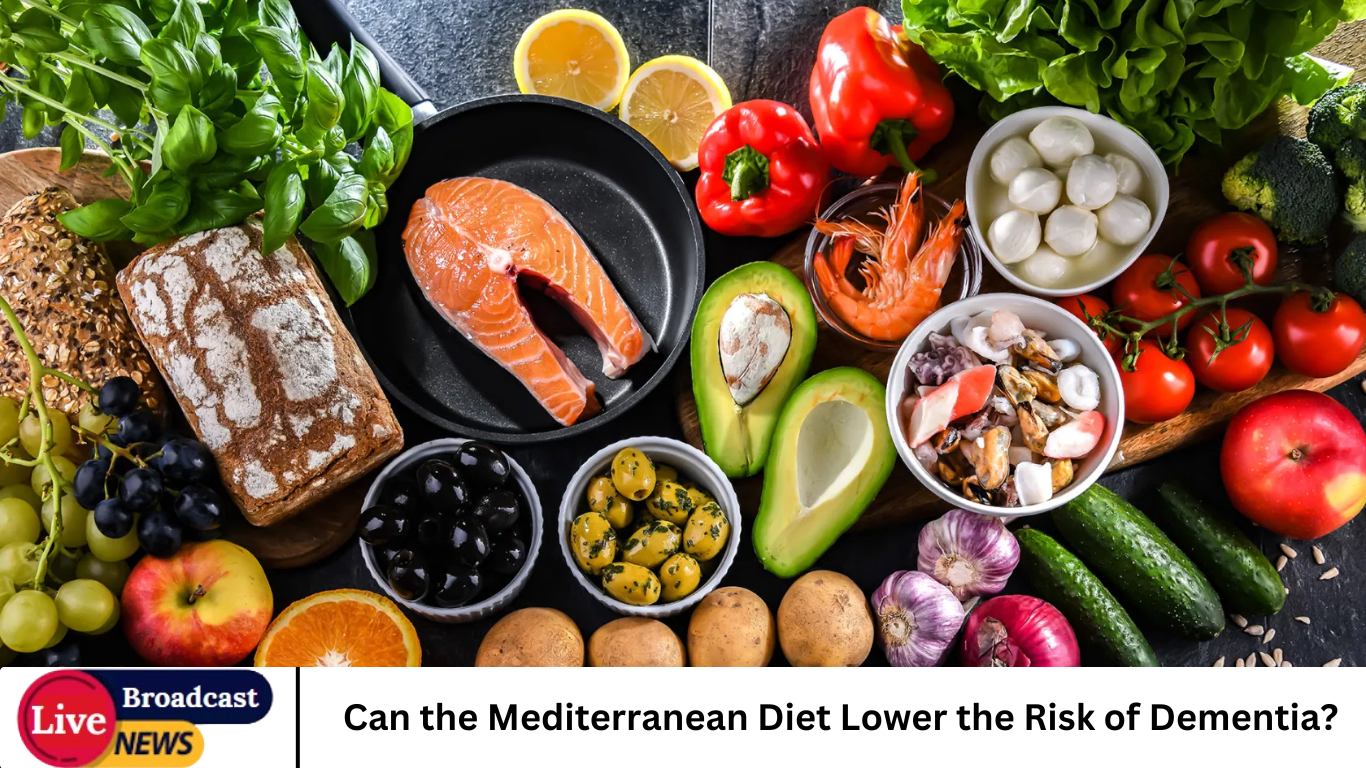
The Mediterranean diet is inspired by the traditional eating patterns of countries bordering the Mediterranean Sea, including Greece, Italy, and Spain. It emphasizes whole, minimally processed foods and healthy fats while limiting red meat and added sugars. Core components of the Mediterranean diet include:
- Fruits and vegetables: Rich in vitamins, antioxidants, and fiber.
- Whole grains: Such as oats, barley, and whole wheat.
- Legumes and nuts: Including lentils, beans, almonds, and walnuts.
- Healthy fats: Primarily olive oil, but also fatty fish like salmon and sardines.
- Lean protein: Moderate amounts of fish, poultry, and dairy.
- Herbs and spices: Used instead of excessive salt.
- Limited red meat and processed foods: Minimizing saturated fats and sugars.
- Optional moderate wine consumption: Often with meals.
This diet has been linked to numerous health benefits, including reduced risk of heart disease, diabetes, and certain cancers. Now, research is showing that it may also protect brain health.
How Diet Influences Brain Health
The brain is highly sensitive to what we eat. Poor dietary habits can contribute to inflammation, oxidative stress, and vascular problems—all of which can damage brain cells and increase dementia risk. Conversely, nutrient-rich diets provide antioxidants, anti-inflammatory compounds, and essential fats that support cognitive function.
Key ways diet affects the brain include:
- Reducing inflammation: Chronic inflammation is associated with neurodegeneration. Foods high in antioxidants and omega-3 fatty acids help fight inflammation.
- Protecting neurons: Vitamins, minerals, and polyphenols protect brain cells from oxidative stress.
- Supporting blood flow: Heart-healthy diets improve vascular health, ensuring proper blood supply to the brain.
- Influencing gut health: Emerging research highlights the gut-brain connection, showing that gut microbiota can affect cognition.
Evidence Linking the Mediterranean Diet and Dementia Risk
A growing body of research supports the role of the Mediterranean diet in reducing dementia risk. One of the most notable studies was recently published in Nature Medicine by researchers from Mass General Brigham, Harvard T.H. Chan School of Public Health, and the Broad Institute of MIT and Harvard.
Key Findings
- Reduced risk of Alzheimer’s: The study found that individuals following a Mediterranean diet had a lower likelihood of developing Alzheimer’s disease.
- Impact on high-risk individuals: The greatest benefits were observed in people with two copies of the APOE4 gene, a genetic variant linked to increased Alzheimer’s risk.
- Holistic lifestyle benefits: Participants who adhered to the diet also tended to engage in other healthy behaviors, which may synergistically reduce dementia risk.
Other studies have corroborated these findings. For instance:
- The PREDIMED Study: Conducted in Spain, this large trial demonstrated that a Mediterranean diet supplemented with extra-virgin olive oil or nuts improved cognitive function over several years.
- Meta-analyses: Multiple reviews of observational studies suggest a consistent association between Mediterranean diet adherence and reduced incidence of cognitive decline.
Key Components of the Mediterranean Diet That Support Brain Health
Certain elements of the Mediterranean diet are particularly beneficial for cognitive function:
- Omega-3 fatty acids: Found in fatty fish and walnuts, omega-3s support neuronal membrane health and reduce inflammation.
- Polyphenols and antioxidants: Present in fruits, vegetables, and olive oil, these compounds combat oxidative stress in the brain.
- B vitamins: Whole grains, legumes, and leafy greens provide folate, B6, and B12, which are crucial for brain metabolism.
- Monounsaturated fats: Olive oil improves cholesterol profiles and reduces vascular inflammation.
- Low sugar intake: Limiting refined sugars helps prevent insulin resistance, which is linked to cognitive decline.
Practical Tips for Following a Mediterranean Diet
Incorporating the Mediterranean diet into daily life doesn’t require a complete overhaul. Here are practical tips:
- Fill half your plate with colorful fruits and vegetables.
- Choose whole grains over refined grains.
- Include legumes at least a few times per week.
- Use olive oil as your primary fat for cooking and dressings.
- Eat fatty fish like salmon, mackerel, or sardines at least twice a week.
- Limit red meat to occasional meals and choose lean protein sources.
- Snack on nuts and seeds instead of processed snacks.
- Season foods with herbs and spices instead of salt.
- Consider moderate wine consumption with meals if appropriate, typically one glass per day for women and up to two for men.
Mediterranean Diet and Other Lifestyle Factors
While diet plays a crucial role, it’s most effective when combined with other brain-healthy habits:
- Regular physical activity: Exercise improves blood flow to the brain and stimulates neurogenesis.
- Mental stimulation: Reading, puzzles, and learning new skills strengthen cognitive reserve.
- Quality sleep: Sleep is essential for memory consolidation and clearing brain toxins.
- Social engagement: Maintaining social connections reduces stress and supports mental health.
Together, these habits create a holistic approach to dementia prevention.
Potential Limitations and Considerations
While the evidence is promising, it’s important to note:
- Most studies are observational, which can show association but not causation.
- Individual results may vary based on genetics, lifestyle, and overall health.
- Long-term adherence to the diet is crucial for sustained benefits.
Nonetheless, the Mediterranean diet is widely regarded as safe, nutritious, and beneficial for overall health, making it a sensible choice even beyond cognitive benefits.
Frequently Asked Question
What is the Mediterranean diet?
The Mediterranean diet is a heart- and brain-healthy eating pattern inspired by the traditional foods of countries bordering the Mediterranean Sea. It emphasizes fruits, vegetables, whole grains, legumes, nuts, olive oil, and lean proteins such as fish, while limiting red meat, processed foods, and added sugars.
How does the Mediterranean diet help reduce dementia risk?
The diet is rich in antioxidants, healthy fats (especially omega-3s), and anti-inflammatory compounds that protect brain cells, improve blood flow, and reduce oxidative stress—factors linked to cognitive decline and Alzheimer’s disease.
Who benefits most from following the Mediterranean diet?
While everyone can benefit, research shows that individuals with a high genetic risk for Alzheimer’s, such as carriers of the APOE4 gene, may experience the greatest reduction in dementia risk when adhering to the Mediterranean diet.
Can the Mediterranean diet reverse dementia?
Currently, there is no evidence that any diet can reverse dementia. However, the Mediterranean diet may slow cognitive decline, improve brain function, and lower the likelihood of developing Alzheimer’s disease, especially when combined with other healthy lifestyle habits.
How long does it take to see brain health benefits from this diet?
While some benefits may appear within months in terms of improved vascular health and inflammation reduction, long-term adherence over several years is generally associated with the most significant reduction in dementia risk.
Can children and young adults follow the Mediterranean diet for brain health?
Yes. The Mediterranean diet supports overall health at any age, and early adoption can help maintain cardiovascular and cognitive health throughout life, potentially reducing dementia risk later on.
What are practical tips for following the Mediterranean diet?
- Fill half your plate with vegetables and fruits.
- Choose whole grains over refined grains.
- Include fish, legumes, nuts, and olive oil regularly.
- Limit red meat, processed foods, and added sugars.
- Season with herbs and spices instead of salt.
- Consider moderate wine consumption if appropriate.
Conclusion
The Mediterranean diet offers a promising strategy to lower the risk of dementia, including Alzheimer’s disease. By emphasizing whole foods, healthy fats, and nutrient-rich ingredients, this diet supports brain health, reduces inflammation, and promotes overall well-being. Emerging research shows that its benefits may be particularly pronounced for individuals with a higher genetic risk for Alzheimer’s, highlighting the potential power of dietary intervention in disease prevention. Adopting a Mediterranean-style eating pattern, alongside other healthy lifestyle practices such as regular exercise, mental stimulation, and quality sleep, provides a comprehensive approach to preserving cognitive function as we age.