
In a transformative moment for the film and television industry, VMI (Video Media Integration) has been honored with the prestigious Ealing Business Pioneers Award for their commitment to promoting sustainable lighting practices. This award represents a pivotal acknowledgment of VMI’s leadership in reshaping how productions approach lighting—one of the most energy-intensive components in filmmaking.
This article explores the significance of this award, the sustainability initiatives spearheaded by VMI, the broader environmental challenges facing film and TV production, and how the industry is gradually shifting towards a greener future.
The Ealing Business Pioneers Award – A Symbol of Innovation
The Ealing Business Pioneers Award is designed to recognize forward-thinking businesses that demonstrate outstanding contributions to innovation, community development, and environmental sustainability. Located in the heart of London, Ealing has long supported creative industries, and this award highlights organizations pushing boundaries to align business success with societal benefit.
VMI’s receipt of this award reflects more than just technical achievement—it represents their ethos of environmental responsibility in an industry where sustainability has often taken a back seat to deadlines and budget constraints.
Who is VMI? A Legacy in Film and Broadcast Services
Founded in 1979, VMI is a leading provider of professional camera and lighting equipment to the UK’s film, television, and commercial sectors. Based in London and Bristol, the company has worked on numerous high-profile productions and built a reputation for technical excellence and customer service. But what truly sets VMI apart is its unwavering commitment to environmental leadership in an industry known for excess and waste.
Lighting Up the Future: Sustainable Practices in Action
Lighting is a major component of any film or television production, often requiring significant energy consumption. Traditional lighting setups, particularly those involving incandescent or HMI lights, demand considerable power and emit heat, contributing both to high energy bills and environmental degradation.
VMI’s shift to energy-efficient LED lighting represents a meaningful step forward. LEDs use a fraction of the power of traditional lighting and produce less heat, reducing the need for additional cooling systems. Beyond LEDs, VMI also emphasizes practices like:
- Promoting equipment reuse and recycling
- Reducing single-use plastic packaging
- Transitioning to electric or hybrid vehicles for equipment transport
- Utilizing renewable energy sources at their facilities
Educating the Industry: Advocacy and Awareness
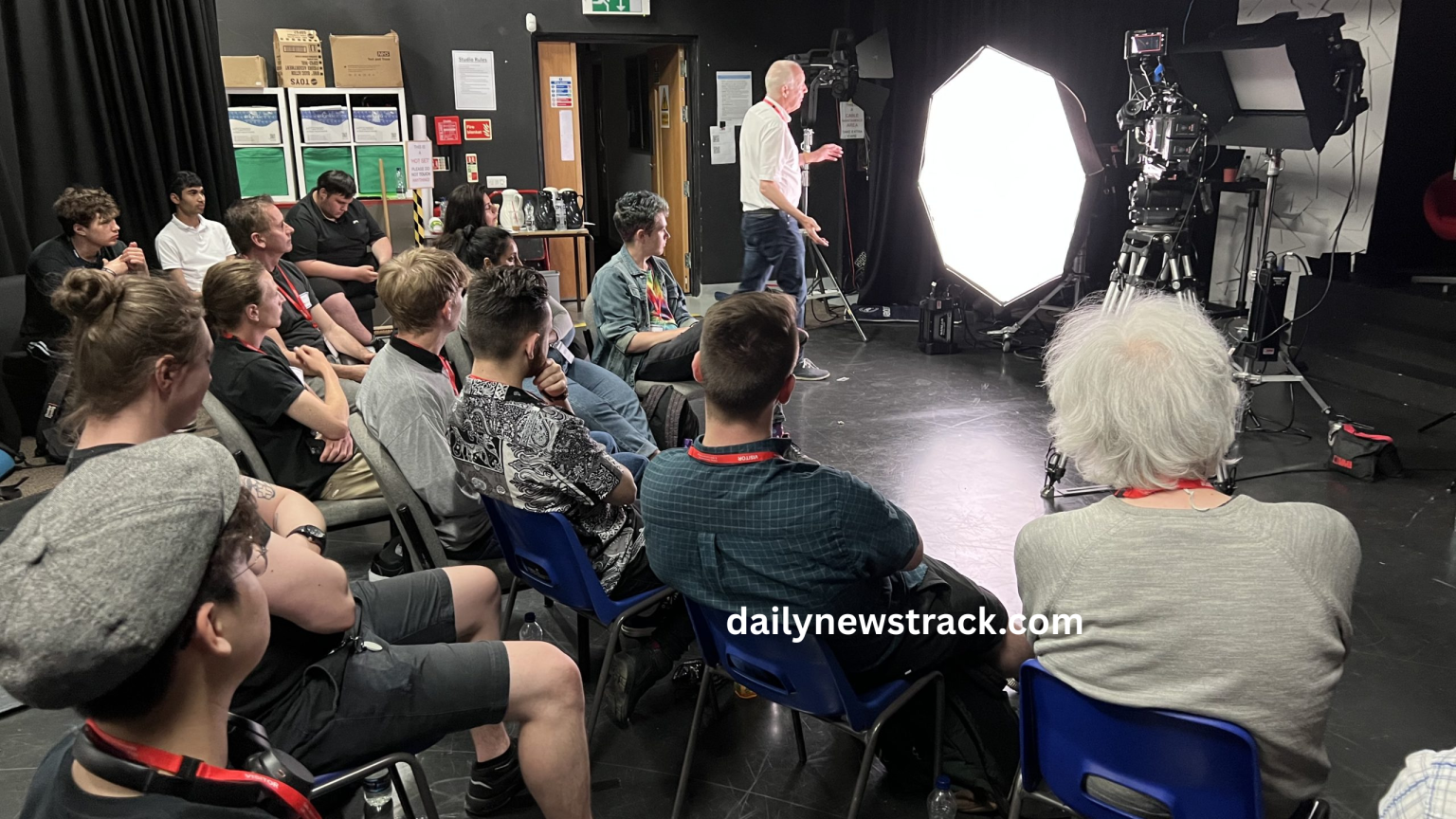
One of VMI’s most impactful contributions has been its efforts to educate clients and industry partners on the benefits of sustainable lighting. The company regularly hosts workshops, partners with eco-conscious filmmakers, and shares resources on how to reduce carbon footprints on set.
They have also contributed to industry panels, such as those hosted by BAFTA’s Albert initiative—an organization that supports sustainability in media production. By advocating for eco-friendly practices across the board, VMI extends its influence well beyond its immediate client base.
Green by Design: Building a Culture of Responsibility
VMI has embedded sustainability into its corporate culture. Their team undergoes regular training on environmental issues and is encouraged to innovate ways to reduce waste and increase efficiency. From energy-efficient warehouse lighting to paperless invoicing, every detail of VMI’s operation is scrutinized through a green lens.
This approach is not just ethical—it’s practical. With clients increasingly seeking vendors that share their values, VMI’s environmental responsibility has become a key differentiator in a competitive market.
Partnerships for Progress: Collaboration Across the Industry
No single company can change an entire industry alone. That’s why VMI has cultivated partnerships with like-minded organizations, from manufacturers of eco-friendly lighting gear to environmental non-profits.
One notable initiative includes VMI’s collaboration with Greenkit, another UK-based rental house with a focus on sustainability. Together, they’ve lobbied for stronger environmental policies within the film and broadcast equipment rental sector.
These collaborations have allowed VMI to scale their impact and advocate for policy changes that prioritize long-term ecological sustainability in production workflows.
Overcoming Challenges: The Road to Green Production
The journey to sustainability hasn’t been without its challenges. Many producers and cinematographers are hesitant to move away from familiar lighting setups, especially when under pressure to deliver visual results quickly. There’s also a perception that eco-friendly gear is more expensive or less powerful.
VMI has tackled these misconceptions by offering side-by-side demonstrations of LED vs. traditional lighting setups and investing in state-of-the-art equipment that meets both ecological and aesthetic standards. Cost barriers have been addressed through competitive pricing models and education around long-term savings.
The Ripple Effect: Impact on Clients and Productions
VMI’s leadership is beginning to inspire change across the industry. More clients are requesting sustainable lighting options by default, and production teams are showing increased interest in lowering their carbon footprint. Some recent case studies include:
- A documentary series that cut its lighting energy use in half through VMI’s LED equipment
- A commercial campaign that earned a “Green Production” certification for its use of VMI’s sustainable gear
- A student film initiative where VMI provided discounted LED kits to emerging filmmakers committed to green practices
These examples demonstrate that sustainability and creativity are not mutually exclusive—they can reinforce one another.
Why Sustainability in Film Matters Now More Than Ever
The environmental toll of media production is considerable. According to research from Albert, a single hour of television content can generate multiple tons of CO2, largely due to energy usage, travel, and material waste.
As climate change intensifies, every sector—including entertainment—must reevaluate its practices. Companies like VMI show that not only is sustainable production possible, it can also be profitable, inspiring, and scalable.
The timing of the Ealing Business Pioneers Award couldn’t be more urgent. It sends a powerful message to the industry: sustainability isn’t a niche concern—it’s a necessity.
Looking Ahead: VMI’s Vision for the Future
VMI is not resting on its laurels. Future initiatives include:
- Expanding their green lighting inventory to include the latest innovations
- Launching an online platform to help productions calculate their environmental impact
- Partnering with educational institutions to train the next generation of eco-conscious filmmakers
- Advocating for industry-wide standards in sustainable practices
Through these efforts, VMI hopes to continue leading the charge in environmental responsibility and inspire others to follow suit.
Frequently Asked Questions
What is VMI and what does the company do?
VMI (Video Media Integration) is a UK-based company that supplies high-end camera and lighting equipment for film, TV, and commercial productions. They are known for their technical expertise and commitment to sustainable practices in production.
What is the Ealing Business Pioneers Award?
The Ealing Business Pioneers Award is a local honor presented to innovative companies in Ealing that demonstrate excellence in areas such as sustainability, technology, and community development.
Why did VMI receive the Ealing Business Pioneers Award?
VMI was recognized for its outstanding leadership in promoting the use of sustainable lighting solutions in film and television production, especially their work with LED lighting and eco-conscious operational practices.
What kind of sustainable lighting does VMI promote?
VMI advocates for energy-efficient LED lighting, which consumes less power, generates less heat, and has a lower environmental impact compared to traditional lighting options like tungsten or HMI.
How does LED lighting benefit the environment and productions?
LED lighting reduces energy consumption, lowers greenhouse gas emissions, decreases cooling needs on set, and offers long-term cost savings. It also allows for safer and more flexible setups.
Does sustainable lighting affect the quality of film or TV production?
Not at all. Today’s LED lighting technology can match or exceed traditional lighting in terms of brightness, color rendering, and creative control, without compromising visual quality.
What other sustainability practices does VMI follow?
VMI has implemented a variety of eco-friendly practices including:
- Using renewable energy at its facilities
- Operating electric or hybrid transport vehicles
- Minimizing single-use plastics
- Recycling and refurbishing old equipment
- Offering digital documentation to reduce paper waste
How does VMI educate others about sustainability?
VMI hosts training sessions, collaborates with environmental organizations, participates in industry panels (like BAFTA’s Albert initiative), and provides clients with green production guides and sustainable equipment recommendations.
Are sustainable production practices more expensive?
While the upfront cost of sustainable gear like LED lights may be slightly higher, long-term savings in energy and maintenance costs make them more cost-effective. VMI also works with clients to find budget-friendly solutions.
What impact has VMI made on the industry?
VMI’s leadership has inspired increased awareness and adoption of sustainable practices among production companies, filmmakers, and rental houses. Their success has become a model for green transformation across the industry.
Can smaller or independent productions adopt these practices?
Yes. VMI offers scalable solutions suitable for all types of productions, from major feature films to independent projects and student films. Sustainable lighting is accessible and effective at any budget level.
Does VMI plan to expand its green initiatives in the future?
Yes. VMI continues to invest in green technologies, aims to expand its sustainable inventory, and is working on launching tools and platforms that help clients calculate and reduce their carbon footprint.
How can a production company work with VMI on a green production?
Production teams can contact VMI for consultation, rent eco-friendly gear, and access sustainability resources. VMI offers customized solutions based on the scale and needs of each project.
Is the film and TV industry becoming more environmentally conscious overall?
Yes, but progress is uneven. While some companies are leading the way, others are just beginning to understand the importance of sustainability. Industry-wide change is growing, and VMI is playing a significant role in that shift.
Where can I learn more about VMI’s sustainability practices?
Visit VMI’s official website or follow them on social media platforms for updates, case studies, and resources on sustainable production.
Conclusion
VMI’s recognition by the Ealing Business Pioneers Award is more than an accolade—it’s a beacon. It symbolizes what’s possible when innovation, integrity, and sustainability align. The company’s commitment to green lighting practices has not only reduced its ecological footprint but also influenced countless others across the film and television industry.